
Your cart is currently empty!
8 Best Retro Electric Bikes Right Now
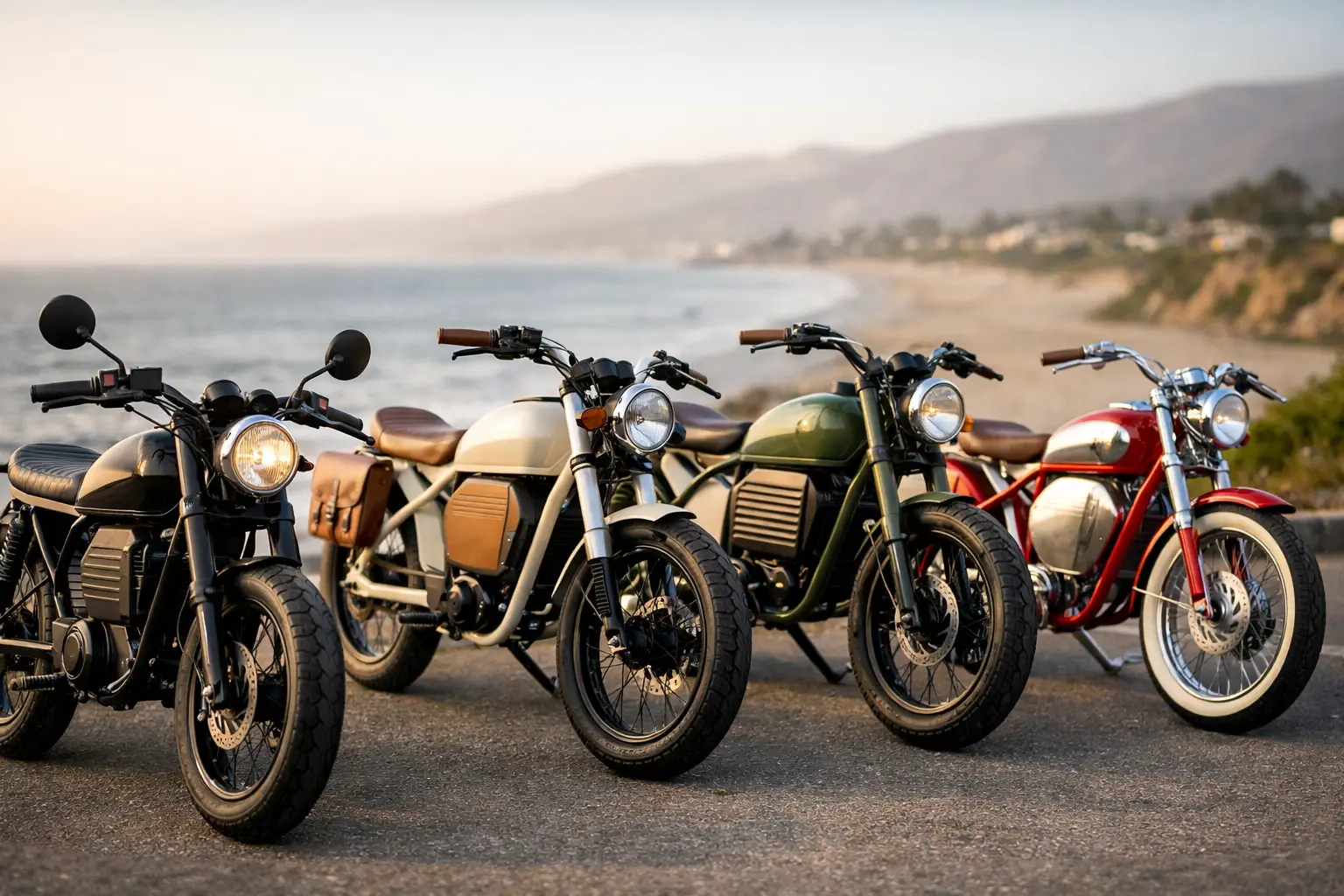
The best retro electric bikes do not win on specs alone. They win the second you walk away from one, look back over your shoulder, and know it still has presence. That is the whole point of this category – classic lines, electric heart, and enough modern performance to make daily riding feel sharp rather than nostalgic.
That also makes this market harder to shop than it looks. Plenty of electric motorcycles borrow a round headlight and call it heritage. Fewer actually balance design, proportion, power delivery, charging practicality, and build quality in a way that feels complete. If you are choosing with both taste and engineering in mind, the details matter.
What makes the best retro electric bikes worth buying
A convincing retro electric bike is not cosplay. It needs the stance, restraint, and material choices of a classic machine, but it also needs to behave like a modern EV. Instant torque should feel clean, not abrupt. Controls should be intuitive. The battery should support real city mileage, not just brochure optimism.
Design is where most shoppers start, and fairly so. A retro bike should have coherent lines from tank to tail, not a random mix of vintage cues stuck onto a generic electric frame. The best ones understand proportion. They feel intentional from ten feet away and refined up close.
Performance is the next filter. For urban riders especially, low-end response matters more than headline top speed. A bike that pulls cleanly from traffic lights, merges without hesitation, and stays composed at city pace will feel faster in real life than one chasing a spec-sheet number.
Then there is ownership. Charging time, battery longevity, service support, riding modes, and software all shape whether the bike becomes part of your life or a stylish complication. Premium design can justify a premium price, but only if the machine holds up where it counts.
The best retro electric bikes for style and substance
The strongest bikes in this segment usually fall into a few camps. Some lean heavily into lightweight urban usability. Some behave more like full motorcycles with serious road presence. Others prioritize custom culture and visual drama over everyday practicality. Which one is best depends on how you ride and what kind of statement you want the bike to make.
For city riders who want authentic motorcycle presence
If your idea of a perfect ride is cutting through the city in near silence while still feeling like you are on a real motorcycle, not an appliance, the best options are the bikes that combine A1-friendly accessibility with full-size design language. This is where retro EVs get compelling.
The right machine in this category should be narrow enough for urban traffic, quick enough for confident starts, and refined enough that the electric powertrain feels like an upgrade to the classic formula rather than a compromise. A bike such as the RGNT Street Classic captures that balance especially well – restrained styling, hand-built credibility, and the kind of immediate torque that suits real commuting instead of showroom theater.
This category tends to appeal to riders who care about what they park outside a studio, office, or restaurant as much as what they can measure on paper. That is not vanity. It is the reality of buying a design-led machine. Motorcycles are transportation, yes, but they are also objects of identity.
For riders who want sharper performance with retro lines
Some retro electrics keep the styling classic but turn up the pace. These bikes are for riders who want stronger acceleration, more assertive road behavior, and a setup that can stretch beyond short urban hops.
This is where trade-offs start to show. More performance usually means more weight, a higher price, and sometimes less visual purity. Batteries are heavy, and packaging serious power without ruining the silhouette is not easy. The best brands manage it with subtle engineering – integrating the mass low in the frame, keeping the side profile clean, and avoiding the bulky, over-styled look that plagues a lot of modern EV design.
If your route includes faster roads, longer commutes, or regular two-up riding, this category makes more sense than the lighter urban set. But if most of your life happens below 45 mph, the extra power may be nice rather than necessary.
For buyers drawn to custom-inspired design
Then there are retro electric bikes that lean harder into visual attitude – bobber cues, stripped silhouettes, oversized tires, and a more radical stance. These can be incredibly appealing if you want something less polished and more individual.
The catch is practicality. Aggressive custom styling can compromise comfort, passenger space, turning radius, and even battery efficiency. The lower and longer a bike gets, the more it may ask you to accept in everyday use. That may be a fair trade if the bike is a weekend expression piece. It is less convincing if you need an all-weather commuter.
How to judge the best retro electric bikes beyond appearance
The easiest mistake in this category is buying with your eyes only. A beautiful bike can still be annoying to charge, awkward to ride slowly, or underwhelming once the novelty fades.
Range should match your real week
Start with your actual routine, not fantasy rides. If you commute 12 miles each way, run errands, and occasionally ride for pleasure on weekends, your battery needs are different from someone doing suburban highway miles every day.
Urban electric motorcycles often make more sense than their listed range suggests because regenerative braking and lower-speed riding favor efficiency. On the other hand, higher sustained speeds will cut range fast. If you regularly ride on faster roads, give yourself margin. The claimed number is not the whole story.
Charging needs to fit your life
A retro electric bike with elegant design but awkward charging logistics can lose its charm quickly. Home charging is the simplest setup, especially if you have a garage or dedicated parking. Apartment living changes the equation.
Before buying, think through where the bike will actually charge, how long it will take, and whether that pattern feels effortless or irritating. Fast charging can be a major advantage, but many riders are better served by reliable overnight charging than by chasing headline speed.
Weight changes the character of the bike
Electric motorcycles carry their weight differently from gas bikes, and not always badly. A low center of gravity can make a machine feel planted and surprisingly manageable. Still, there is no ignoring total mass.
For newer riders or anyone navigating tight city parking, lighter is usually better. Heavier bikes can feel more substantial and stable, but they ask more from the rider at walking pace. That matters more than many reviews admit.
Build quality is everything in a premium segment
Retro design invites close inspection. People notice paint depth, switchgear feel, stitching, metal finishes, and how panels meet. If a brand is charging premium money, the bike should look resolved from every angle and feel durable where your hands touch it.
This is one area where smaller, design-led manufacturers can stand apart from mass-market players. Limited-batch production, careful quality control, and a clear design philosophy often produce a machine with more character and better finish than a bike built to chase volume.
Who the best retro electric bikes are actually for
Not every rider wants this category, and that is fine. If your priority is maximum range for the dollar, raw speed, or adventure capability, there are better choices elsewhere in the electric market.
But if you want a motorcycle that feels culturally aware, mechanically current, and visually disciplined, retro electric bikes make a strong case. They suit urban professionals, style-first commuters, and experienced riders looking for a quieter kind of thrill. They also appeal to people who have never connected with the aggressive, sci-fi look of many EVs.
There is a confidence to choosing a bike that does not shout. Silent running, classic posture, modern response – that combination has a different kind of magnetism. It is less about spectacle and more about presence.
Why the best retro electric bikes are getting harder to ignore
Electric motorcycles used to ask buyers to tolerate futuristic styling in exchange for new technology. That deal is fading. The market is maturing, and the strongest bikes now prove that electrification does not require abandoning beauty, proportion, or heritage-inspired design.
That shift matters because motorcycles have never been purely rational purchases. They live at the intersection of motion, identity, and object design. The best retro electric bikes understand this. They deliver the silence, torque, and lower-maintenance appeal of EV ownership without erasing the emotional language riders still want.
If you are shopping this segment, be selective. Look for a bike that gets the fundamentals right, not just the photo angle. The right one will feel modern every time you twist the throttle and timeless every time you kill the lights and leave it parked.