
Your cart is currently empty!
A Rider’s Guide to Electric Motorcycle Insurance
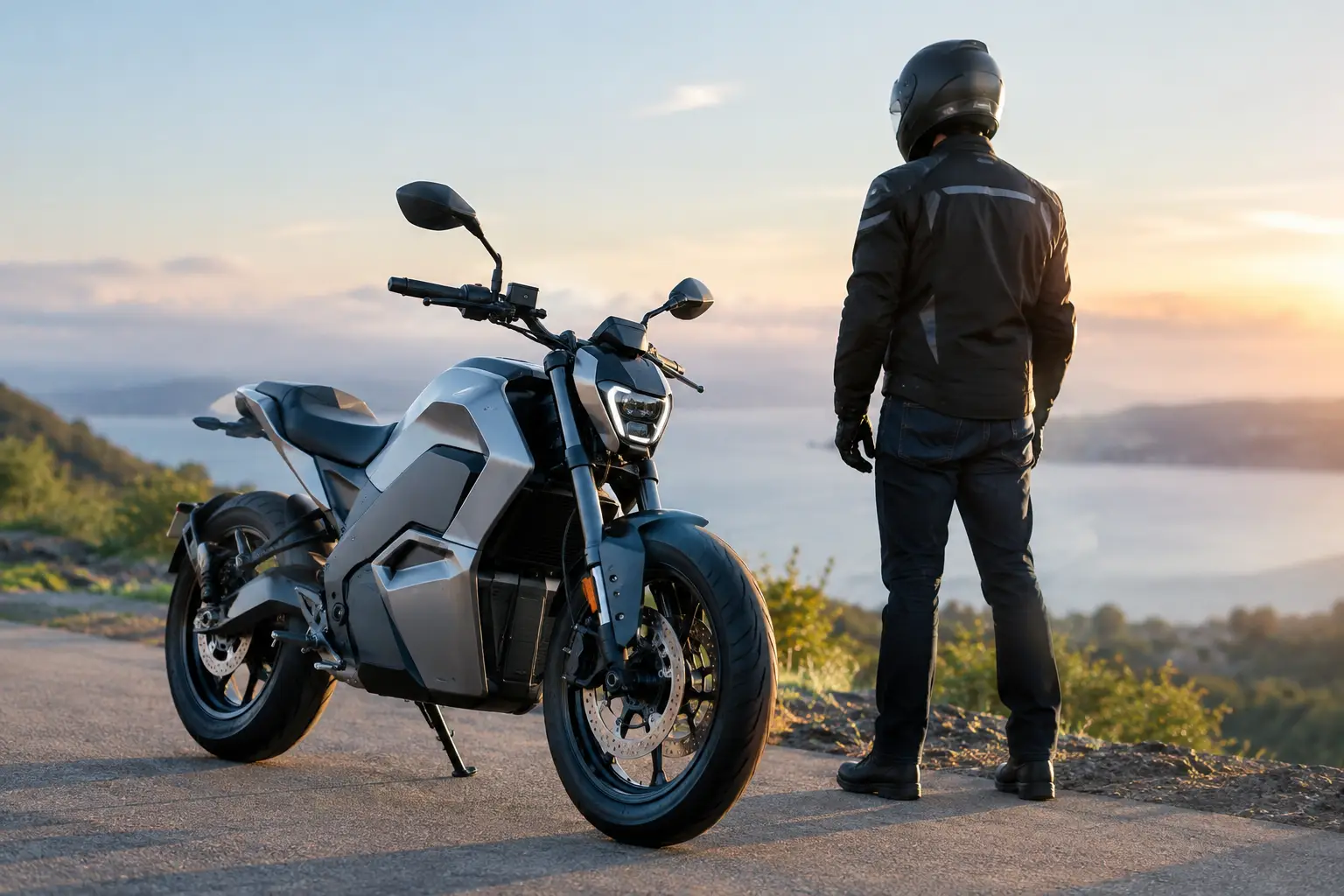
The first silent pull away from a city light changes the equation. Your motorcycle is not simply a commuter tool or a weekend accessory. It is a carefully chosen expression of taste, technology, and freedom. This guide to electric motorcycle insurance helps you protect that choice without paying for coverage that does not fit the way you actually ride.
Electric motorcycles are insured much like gas-powered bikes, but their value profile is different. The battery, control electronics, specialized repairs, and replacement-part availability can all shape a policy and a claim. The right coverage respects the details behind classic lines and an electric heart.
A Guide to Electric Motorcycle Insurance That Fits Your Ride
In most states, motorcycle liability insurance is mandatory before you can register and legally ride. Liability pays for injuries or property damage you cause to others in a covered accident. It does not pay to repair your own motorcycle.
That distinction matters. A low-cost policy built around state minimums may get you legal, but it can leave a premium electric motorcycle almost entirely exposed after a crash, theft, or vandalism claim. State requirements are a starting line, not a measure of adequate protection.
The policy you need depends on where you live, whether you finance the bike, where it is parked, and how often it is ridden. A rider who covers a few calm miles across town has a different risk profile from someone who rides daily through dense traffic, parks curbside, and takes fast weekend routes beyond the city.
Liability: protect what happens beyond the bike
Liability coverage is usually written as three numbers, such as 50/100/25. Those figures generally represent the maximum paid for bodily injury per person, bodily injury per accident, and property damage per accident, expressed in thousands of dollars.
Higher limits cost more, but the gap is often smaller than riders expect. In a serious collision, medical bills and modern vehicle repairs can climb quickly. If your assets, income, or future earnings matter to you, higher liability limits are worth considering. The quietest ride still deserves a serious safety net.
Collision and comprehensive: protect the motorcycle itself
Collision coverage pays for damage to your motorcycle after an impact with another vehicle or object, subject to your deductible. If a delivery van clips your parked bike, or a wet painted line catches you at low speed, collision is the coverage that addresses your repair bill.
Comprehensive coverage handles many non-collision losses: theft, vandalism, fire, weather damage, falling objects, and often animal strikes. For urban riders, this can be essential. Street parking, shared garages, and overnight storage create risks that are not tied to how skillfully you ride.
If you finance or lease your motorcycle, the lender will commonly require both collision and comprehensive coverage. Even without a lender, dropping them only makes sense if you could comfortably replace the motorcycle from your own funds. For a hand-built, limited-batch machine, that is not a casual decision.
Uninsured and underinsured motorist coverage: protect yourself from someone else’s shortfall
Not every driver carries enough insurance. Some carry none at all. Uninsured and underinsured motorist coverage can help with your injuries, and in some states damage to your bike, when the at-fault driver has inadequate coverage.
The rules vary by state, so read the policy language rather than assuming every insurer handles this coverage the same way. Medical payments coverage, or personal injury protection where available, may also help with medical expenses regardless of fault. Health insurance remains central, but these motorcycle-policy options can close costly gaps.
Why Electric Motorcycle Coverage Needs a Closer Look
An electric motorcycle is not just a gas bike with fewer moving parts. Its drivetrain has fewer routine service items, yet it concentrates a meaningful share of the vehicle’s value in the battery pack, motor, onboard charger, software, and control systems.
Ask an insurer how it evaluates battery damage after a collision. A superficial impact does not always mean a simple cosmetic repair, and a damaged high-voltage component may require inspection by a qualified technician. The insurer should be prepared to authorize proper diagnostics, not treat the bike as a generic small motorcycle.
Parts sourcing matters, too. A premium model may use specific bodywork, display components, or electrical hardware that cannot be substituted without affecting fit, finish, or function. Confirm whether the policy pays for original equipment manufacturer parts, aftermarket parts, or parts of like kind and quality. The answer can influence both the repair result and the time your motorcycle spends off the road.
If you ride an RGNT motorcycle, or another design-led electric model, make sure the declared vehicle identification number, trim, and value are correct on the quote. A mistaken classification can create friction when it is time to make a claim. Keep purchase documents, photos, records of approved accessories, and any valuation information in a safe place.
The Details That Change Your Premium
Insurance pricing is personal, but several factors appear on nearly every quote. Your location is one of the largest. A bike kept in a dense urban ZIP code may cost more to insure than the same bike stored in a locked suburban garage because theft frequency, traffic density, repair costs, and claim history differ.
Your riding record and prior claims matter, as do age, experience, annual mileage, coverage limits, and deductible. A higher deductible can reduce your premium, but it shifts more of the financial hit back to you after a loss. Choose a deductible you could pay without turning an already frustrating incident into a financial stall.
Storage and security can also affect your rate or eligibility. A locked garage, monitored parking area, disc lock, alarm, or approved tracking device may be viewed favorably by some carriers. Do not assume a modification earns a discount. Ask before you buy it, and keep receipts.
Accessories deserve a direct conversation. A custom seat, upgraded mirrors, luggage, riding camera, security hardware, or premium helmet may not be fully covered under the standard policy limit. Some policies include a small amount of accessory coverage; others require you to schedule higher-value equipment. If an item would sting to replace, make sure it is accounted for in writing.
How to Compare Quotes Without Chasing the Cheapest Number
A quote comparison only works when each quote has the same foundation. Use the same liability limits, medical coverage, comprehensive and collision deductibles, annual mileage, and listed accessories. Otherwise, the lowest price may simply be the thinnest policy.
When speaking with an insurer or agent, ask clear questions about electric-specific repairs. Can the shop of your choice perform the work? Is towing available if the motorcycle is disabled? Does the policy cover transport to a qualified electric motorcycle repair facility if local options are limited? Are original manufacturer parts available when they are necessary for a safe, correct repair?
Also ask about actual cash value versus agreed value. Most standard policies settle a total loss based on actual cash value, which reflects depreciation and local market data. An agreed-value policy, when available, sets a value upfront under defined conditions. It can be appealing for a distinctive motorcycle, but it may cost more and may require documentation. Neither is automatically better. The useful choice is the one that reflects your bike’s real replacement situation.
Rental reimbursement is another practical detail. It may be worthwhile for a daily commuter, though finding a comparable electric motorcycle rental is not guaranteed. Some riders would rather put that premium toward stronger liability limits or a lower deductible. That is a fair trade-off if you have another way to get around.
Charging, Storage, and the Fine Print
Home charging is generally part of ordinary ownership, not a separate motorcycle insurance category. Still, safe charging habits protect both your bike and your claim history. Use properly installed equipment, follow the manufacturer’s instructions, avoid damaged cables, and keep charging areas dry and clear of clutter.
Your homeowners or renters policy may respond differently to damage involving your residence, charger, or personal property than your motorcycle policy does. The two policies should work alongside each other, but they are not interchangeable. If you rent a garage space or live in a multi-unit building, check the rules around charging and storage before assuming coverage applies exactly as it would in a detached home garage.
Seasonal storage can be another opportunity to reassess coverage. Some riders reduce certain protections when the bike is off the road, but keeping comprehensive coverage is often wise. Theft, fire, and weather do not pause for winter. Before changing anything, confirm whether your state, lender, or insurer has restrictions on laying up a policy.
Make the Policy Part of the Ownership Experience
The best insurance policy is rarely the one with the smallest monthly payment. It is the one that lets you ride with clarity: meaningful liability limits, protection for the motorcycle’s real value, a deductible you can handle, and a claims process that understands what an electric machine requires.
Review your policy once a year and after any meaningful change – a move, a new parking arrangement, a financed purchase, a major accessory, or a shift from occasional rides to daily commuting. Then put the documents away, charge up, and leave the noise behind. Protection should sit quietly in the background, just like the best kind of performance.