
Your cart is currently empty!
Urban Electric Riding Guide for City Streets
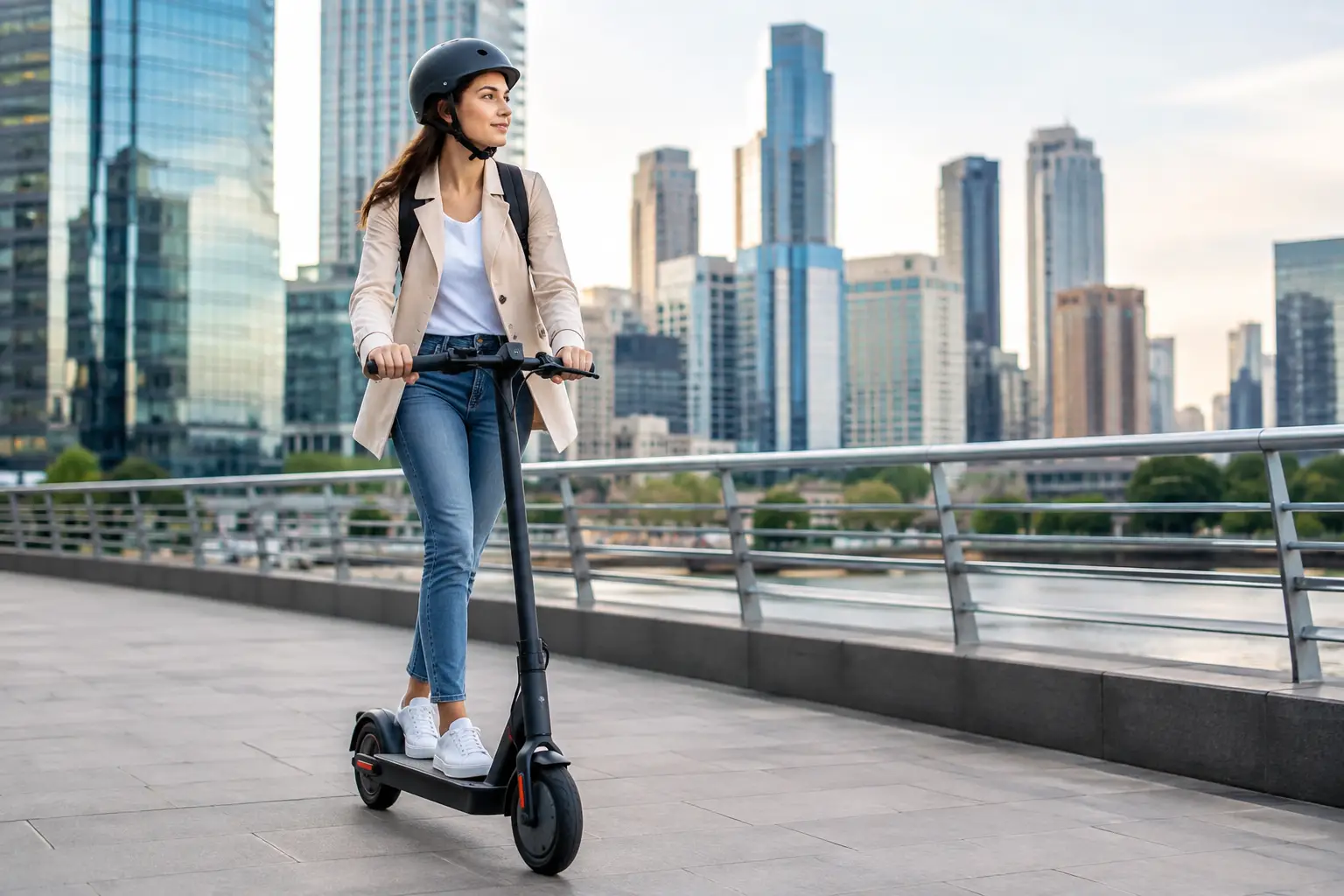
The city sounds different from an electric motorcycle. There is no exhaust note bouncing between buildings, no clutch work at every light, no need to raise your voice at a stop. This urban electric riding guide is about using that quiet advantage well: moving with intent, reading the street early, and choosing a machine that makes the daily ride feel less like transit and more like yours.
Urban riding rewards precision over spectacle. A motorcycle with immediate torque, balanced handling, and classic lines can turn a familiar route into the best part of the day. But electric riding has its own rhythm. Range, charging access, weather, traffic behavior, and secure parking all deserve a place in the plan.
Start With the City You Actually Ride
The right electric motorcycle is not defined by its maximum claimed range alone. It is defined by the miles you make repeatedly: the morning run across town, the ride to a meeting, the long route home when traffic is moving slowly and the evening is too good to waste.
Begin with your real daily distance, then add margin. If your usual round trip is 25 miles, a bike with 50 miles of dependable city range gives you room for detours, cold weather, hills, and the occasional impatient throttle hand. Range figures can be useful, but they are not fixed promises. Speed, rider weight, tire pressure, elevation, temperature, cargo, and acceleration all change the result.
City riding often favors an electric powertrain because stop-and-go traffic puts immediate torque to work. You do not need to build revs or search for the right gear before slipping into an opening. The response is direct, quiet, and clean. The trade-off is that hard launches and sustained high-speed riding consume energy faster. Ride with spirit, but know what it costs.
Range Is a Riding Habit, Not Just a Number
Think of battery percentage the way an experienced rider thinks of weather: always present, rarely alarming when you have paid attention early. Check your state of charge before leaving, not when the route starts to feel uncertain. Learn the energy demand of your regular roads over a few weeks, including the effect of rain, cold mornings, and a passenger.
For most urban riders, the best charging strategy is simple: arrive home, plug in, wake up ready. Workplace charging can make ownership even easier, though it should be treated as a convenience rather than the only plan. A premium electric motorcycle should fit into your life with quiet confidence, not turn every outing into an exercise in charger hunting.
The Urban Electric Riding Guide to Traffic Craft
Silent running is part of the appeal. It also asks more of the rider. Pedestrians, cyclists, and drivers may not hear you approaching, especially in dense traffic where attention is already fractured by screens, delivery vans, horns, and construction.
Ride as though you are invisible until another road user proves otherwise. That means leaving space around parked cars, watching front wheels for the first clue of a turn, and expecting a door to open in every tempting gap. Position yourself where mirrors can find you, rather than drifting into the blind spot beside an SUV or box truck.
At intersections, cover the brakes and look beyond the car directly ahead. A green light is not a guarantee. A driver waiting to turn may be focused on a larger vehicle and miss the motorcycle behind it. Electric acceleration can move you out of danger quickly, but it should never be your only escape plan. Space remains the most elegant form of performance.
Use Torque With Restraint
Instant torque changes the character of a city launch. It is satisfying, especially when the street opens and the light turns green. Yet smooth throttle control matters more on an electric motorcycle because the response can be so immediate.
Roll on power progressively when the pavement is cold, painted, wet, or covered in leaves. Manhole covers, steel plates, and road markings can be surprisingly slick after rain. Keep the motorcycle as upright as possible when crossing them, and avoid abrupt steering or braking inputs.
The same principle applies when filtering or moving through slow traffic where it is permitted. Keep your speed difference modest. A narrow opening can disappear without warning when a car changes lanes to avoid a pothole or chase a parking space. The fast line is rarely the smart line.
Charge Like You Park: Deliberately
Urban ownership is shaped as much by parking as performance. Before buying, consider where the motorcycle will sleep, where it will charge, and how exposed it will be to weather or unwanted attention. A secure garage with regular charging is ideal, but many city riders make apartment living work with a protected parking arrangement and a clear charging routine.
Use the charging equipment specified for the motorcycle and inspect cables regularly. Keep connectors clean and dry. If public charging is part of your routine, build time into your day rather than arriving with the battery nearly empty and the next appointment already calling.
Battery care does not require ritual. It requires consistency. Avoid leaving the bike at an extremely low state of charge for long periods, and follow the manufacturer’s guidance for storage when you will not ride for weeks. Cold conditions can reduce available range, so give yourself more margin in winter. The point is not to obsess over the battery. It is to keep it ready.
Dress for the Ride, Not the Forecast App
City weather changes block by block. A clear morning can become rain behind a line of buildings, while shade and wind make a short ride feel colder than expected. Good gear protects you, but it also keeps your focus where it belongs.
Choose a properly fitted helmet, abrasion-resistant jacket and pants, gloves, and boots that cover the ankle. Ventilation matters in summer. Waterproof layers matter when the sky turns. Reflective details are useful after dark, but visibility is more than a strip of material. Use your lane position, lighting, and movement to stay noticeable.
Do not let retro style become costume. The strongest look is one that works at a crosswalk in the rain, on a freeway merge, and outside a restaurant after sunset. Classic lines and an electric heart deserve gear with the same balance of character and purpose.
Make Parking Part of the Route
A city motorcycle can often claim spaces a car cannot, but parking still needs discipline. Look for legal, visible locations with a solid surface and enough room to maneuver out without backing into traffic. Avoid blocking pedestrian access, ramps, bike lanes, or building entrances. The goal is to arrive with style, not leave a problem behind.
Security should be layered. Use the steering lock, a quality physical lock where appropriate, and a covered or monitored location when possible. Remove loose accessories and keep valuables off the bike. If your motorcycle includes connected features, use them, but do not mistake an alert for a physical barrier.
When you return, do a fast walk-around. Check tires, cables, controls, and the ground beneath the bike before riding away. Urban streets are hard on equipment, and a small issue found early is better than a surprise in traffic.
Choose Character Without Compromise
There is a temptation to treat city transportation as a purely practical decision. It is not. You ride more when the motorcycle calls to you from the curb. You take the longer way home. You notice the architecture, the light, and the rare silence between traffic signals.
That is where design matters. A well-made electric motorcycle should feel composed rather than ornamental, with performance that belongs to the street and craftsmanship that rewards a closer look. RGNT Motorcycles approaches that idea through hand-built Swedish character, classic proportions, and modern electric response – a machine for riders who prefer presence over noise.
Still, emotion should be matched by fit. Sit on the bike. Consider its weight at parking-lot speed, its seat height, its storage options, its charging requirements, and the support available where you live. The best motorcycle is not the one that wins a spec-sheet argument. It is the one that makes you want to put on your helmet on an ordinary Tuesday.
The city will always be unpredictable. Traffic will hesitate, weather will turn, and the route you planned will occasionally disappear behind cones. Ride charged, ride visible, and leave enough margin to enjoy the improvisation. The quietest rider on the street can still make the strongest impression.