
Your cart is currently empty!
Why Are Electric Motorcycles So Expensive?
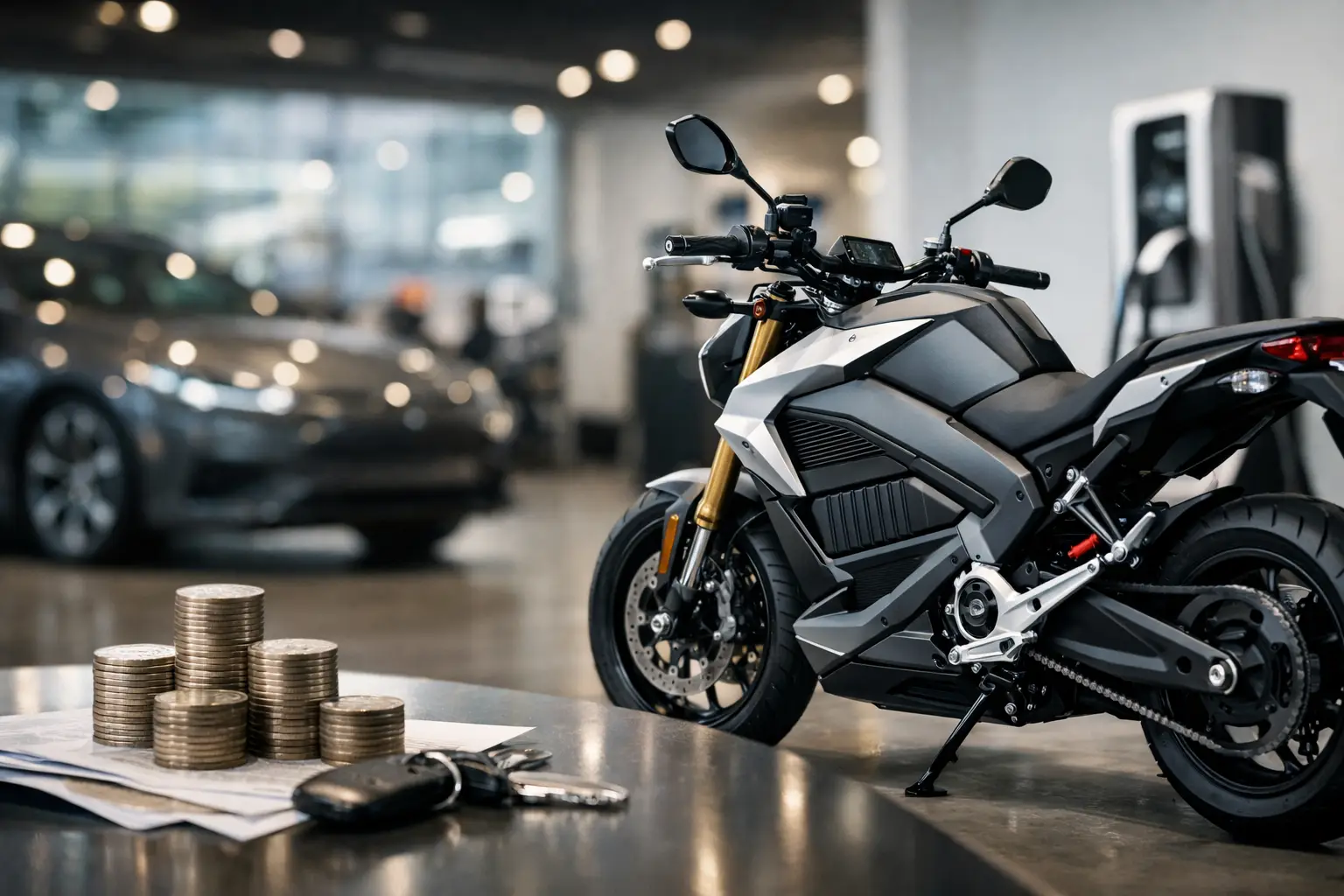
A silent launch from a traffic light feels effortless. The work behind that moment is anything but. If you have asked why are electric motorcycles expensive, the short answer is that an electric bike concentrates some of its most sophisticated technology into a small, exposed, performance-critical machine.
A motorcycle cannot hide weight, weak cooling, cheap materials, or awkward packaging beneath a large body shell. Every component has to earn its place. For a premium electric motorcycle, the price reflects more than propulsion. It reflects battery chemistry, software, safety systems, design, and the kind of careful production that turns a vehicle into something you want to ride long after the novelty fades.
Why Are Electric Motorcycles Expensive? Start With the Battery
The battery is the single biggest cost driver in most electric motorcycles. It is not simply a large version of the battery in a phone. It is a tightly managed energy system built to deliver hard acceleration, survive repeated charging cycles, handle changing weather, and operate safely beneath a rider.
High-quality lithium-ion cells are expensive on their own. Then come the battery enclosure, structural protection, high-voltage wiring, contactors, sensors, fuses, and the battery management system that monitors voltage, temperature, and cell balance. Those layers are not optional decoration. They are what allow an electric motorcycle to deliver immediate torque without compromising safety or usable life.
Range raises the bill quickly. More range generally requires more energy capacity, and more capacity means additional cells. Additional cells add weight, which can demand stronger chassis components, revised suspension settings, and more careful weight distribution. On a motorcycle, where balance is part of the pleasure, engineering a larger battery is never as simple as fitting a bigger tank.
There is also a trade-off that riders should welcome: the cheapest cell is not always the right cell. Premium manufacturers select cells and battery architecture around real riding demands, not just a headline range number achieved under perfect conditions. City traffic, cool mornings, rapid acceleration, hills, passenger weight, and charging habits all affect what the battery experiences.
Small Production Runs Change the Math
Internal-combustion motorcycles benefit from more than a century of industrial scale. A popular gas bike may share engines, switchgear, frames, supplier contracts, and factory tooling across tens or hundreds of thousands of units. That scale spreads development costs thinly.
Electric motorcycles are still a younger category, especially at the premium end. Many brands build in comparatively limited volumes. The cost of developing a battery pack, calibrating motor control software, validating charging hardware, and passing regulatory testing is therefore divided across fewer motorcycles.
This is one reason a small-batch electric bike can cost more than a gas motorcycle with similar peak power. The comparison can seem unfair until you consider what is being compared: a mature platform built at industrial volume versus a modern, high-voltage machine developed in a smaller production environment.
Limited production can also be a choice. Hand-built assembly and tighter quality control take more time than a fully automated line. For riders who care about fit, finish, and character, that is part of the proposition. Scandinavian craftsmanship is not the cheapest route to a motorcycle. It is a deliberate one.
The Motor Is Only Part of the Powertrain
Electric motors are mechanically elegant. They have fewer moving parts than combustion engines and do not need oil changes, exhaust systems, or multi-speed gearboxes in the traditional sense. That does not mean the entire powertrain is inexpensive.
The controller is the bike’s conductor. It translates throttle input into power delivery, manages regenerative braking, communicates with the battery, and protects the system under demanding conditions. A refined controller tune is the difference between a bike that feels abrupt and one that feels composed, intuitive, and alive beneath your right hand.
Then there is thermal management. Heat is the enemy of performance and battery longevity. An electric motorcycle needs to manage temperature while preserving clean design, weather resistance, and a compact silhouette. It must do this in traffic, on a fast open road, and while charging. Designing those systems well requires testing, parts, and time.
Fast charging adds another layer. The motorcycle needs compatible hardware, safe charging logic, and durable connectors. Riders rightly want shorter stops and more freedom, but faster energy transfer increases the complexity of the system supporting it.
Design Is Engineering, Especially on a Motorcycle
A motorcycle is one of the few vehicles where the mechanical object remains completely visible. That makes design a serious undertaking, not an afterthought.
Classic lines with an electric heart require careful restraint. The battery needs protection and space. The rider needs natural ergonomics. The frame must carry loads without looking overbuilt. Cables, screens, lights, and controls need to feel intentional rather than like an appliance assembled from unrelated parts.
On a premium machine, materials matter as well. Machined components, quality paint, tailored seat materials, precisely finished controls, and durable weatherproofing add cost. They also shape the ownership experience every time you approach the bike, turn the key, or park it outside a favorite coffee spot.
This is where price becomes personal. A rider looking only for the lowest cost per mile may make a different choice than someone who sees a motorcycle as a daily object of taste. Neither approach is wrong. But it explains why a well-designed electric motorcycle can command more than a stripped-back commuter device.
Safety, Certification, and Software Are Built Into the Price
A premium electric motorcycle must meet demanding safety and certification requirements before it reaches the road. High-voltage systems require insulation, isolation monitoring, fault protection, crash considerations, waterproofing, and rigorous validation. Brakes, lighting, tires, chassis behavior, and electronics all need to perform reliably as a complete vehicle.
Software is increasingly part of that vehicle. Instrument displays, ride modes, diagnostics, battery monitoring, theft protection, and over-the-air capability can improve the experience, but they require development and long-term support. The best software stays quiet when you do not need it and useful when you do.
This investment is easy to overlook because it is not as visible as a painted tank or a polished fork. Yet it is central to confidence. A motorcycle should feel simple to ride because the complicated work has already been done behind the scenes.
Expensive to Buy Does Not Always Mean Expensive to Own
The purchase price is real, and it deserves a clear-eyed assessment. An electric motorcycle may not be the right fit if your budget depends on the lowest upfront cost, if you regularly ride beyond its practical charging range, or if you need the fast refueling flexibility of a long-distance gas tourer.
But ownership costs can tell a different story. Electricity is typically less expensive than gasoline on a per-mile basis, depending on local utility rates. Routine maintenance is often lighter because there are no oil changes, spark plugs, clutch wear, or exhaust components. Regenerative braking can also reduce brake wear in stop-and-go riding.
Depreciation, insurance, tire replacement, charging access, and battery warranty still matter. So does your riding pattern. An electric bike makes its strongest case for urban riders, commuters, and weekend riders who value instant response, quiet movement, and the ability to charge where they live or work.
Financing can change the monthly picture, but it should not disguise the total cost. The better question is not whether an electric motorcycle costs more at the register. It is whether the engineering, design, and lower-maintenance ownership experience justify the difference for the way you actually ride.
What You Are Really Paying For
A premium electric motorcycle is a compact argument against compromise. It asks a battery to deliver range without turning the bike into dead weight. It asks software to be intelligent without becoming intrusive. It asks modern technology to coexist with the emotional pull of a classic motorcycle.
That balance costs money because it takes expertise and restraint. A machine such as an RGNT is not built to mimic the noise and clutter of the past, nor to look like a disposable vision of the future. It is built for riders who want a clean line through the city, immediate torque at the light, and the confidence that every visible detail has a reason to be there.
The price of an electric motorcycle will continue to evolve as battery supply, manufacturing scale, and charging infrastructure mature. Until then, look beyond the sticker. The right bike is not the one with the cheapest technology. It is the one whose technology disappears beneath a ride that feels unmistakably yours.