
Your cart is currently empty!
Why Choose a Limited Production Electric Motorcycle
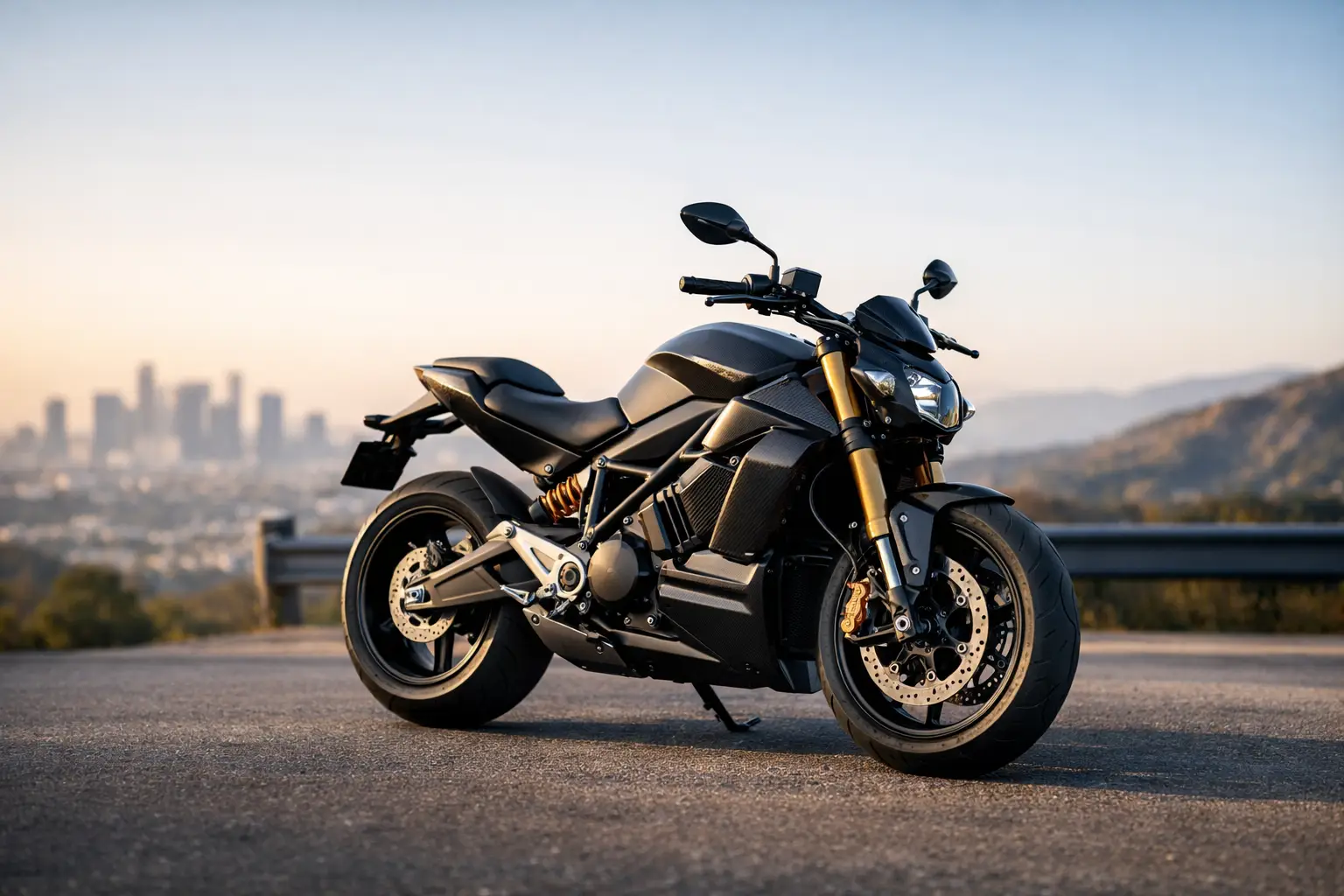
The city is full of vehicles built to disappear into the background. A limited production electric motorcycle is built for the rider who refuses to. It brings together two things mass production rarely protects at the same time: real character and real attention to detail. The result is not simply an electric alternative to a gas bike. It is a quieter, sharper expression of how you choose to move.
For riders who care about design, the appeal starts before the motor turns. Classic proportions. Purposeful materials. A silhouette with enough restraint to stay relevant long after the latest tech trend has passed. Then comes the ride: instant torque, near-silent acceleration, and a different relationship with the streets you know by heart.
What a Limited Production Electric Motorcycle Changes
Limited production is often mistaken for a badge of rarity. It can be that, but rarity alone is not the point. The real value is what a smaller production run allows a manufacturer to protect: fit, finish, consistency, and intent.
When thousands of identical machines are pushed through a factory line every week, efficiency leads the conversation. When motorcycles are built in carefully controlled batches, the conversation can stay closer to the machine itself. Panel alignment matters. Wiring routes matter. The way a painted surface catches late-afternoon light matters. So does the feeling of the throttle at the first green light.
That approach suits electric motorcycles particularly well. Electric powertrains are mechanically simpler than internal-combustion engines in some respects, but a memorable electric bike still depends on dozens of decisions. Motor calibration, battery packaging, chassis balance, suspension response, charging integration, and digital controls must feel like one considered whole. There is nowhere for poor design to hide when the ride is silent.
A limited-run bike also carries a different kind of ownership experience. You are less likely to park beside a row of matching machines. That does not make it precious or untouchable. It makes it personal. The best examples are meant to be ridden to work, through the city, out to the coast, and home after dark with the motor humming beneath you instead of shouting over you.
Quiet Performance Has Its Own Presence
Electric motorcycles do not need exhaust noise to feel alive. The response is immediate. Twist the throttle and torque arrives without a pause for revs, gears, or drama. In urban traffic, that changes everything.
It means pulling cleanly away from lights, finding space with confidence, and moving through a commute with less mechanical effort. The absence of vibration can make the road feel more direct, too. You notice surface changes, lean angles, wind, and the subtle rhythm of the city. It is a more composed form of speed.
For some riders, that silence takes adjustment. A gasoline engine gives constant audible feedback, and many long-time motorcyclists enjoy its ritual. That is a legitimate preference. But silence is not emptiness. On a well-tuned electric motorcycle, it becomes part of the performance. The machine feels discreet until the road opens, then unmistakably quick.
This is where the modern-classic idea earns its place. Retro-inspired design should not mean recreating every inconvenience of the past. A bike can retain the honest shape of a classic motorcycle while replacing heat, noise, fuel stops, and excess maintenance with electric precision. Classic lines, electric heart.
Craftsmanship Is More Than a Finish
Premium craftsmanship is often reduced to leather, paint, and polished metal. Those details matter, but they are only the visible layer. The deeper standard is whether the motorcycle feels resolved.
A resolved bike has controls that fall naturally to hand. Its seat, footpegs, and bars create a riding position that makes sense after 30 minutes as well as after five. Its display provides useful information without turning the cockpit into a glowing distraction. Its components feel selected, not merely sourced.
In limited-batch production, those decisions can receive more scrutiny. Small refinements are easier to introduce. A team can respond to what riders experience in the real world rather than waiting for a full model cycle. That does not guarantee perfection, and buyers should never assume that a smaller manufacturer is automatically better. It does mean the relationship between design, engineering, and feedback can be more immediate.
For a brand such as RGNT, hand-built Swedish production is not about nostalgia for its own sake. It is a commitment to making the electric motorcycle feel like an object worth keeping. The goal is not to create a loud trophy for the garage. It is to build a machine with enough presence to become part of your daily life.
The Trade-Offs Are Real
Choosing a limited-production electric motorcycle is a decision made with both taste and clear eyes. Smaller runs can command a higher price because the economics are different. Tooling, quality control, specialized labor, and lower purchasing volume all have a cost. If the only priority is the lowest possible entry price, a high-volume model may be the better fit.
Service is another practical consideration. Before buying, understand who will maintain the bike, where replacement parts come from, and how warranty support works in your area. A thoughtful manufacturer should be direct about those details. A premium motorcycle should feel special, but ownership should not become a guessing game.
Range also deserves an honest conversation. Urban riding, average speed, rider weight, terrain, weather, and throttle habits all affect what you can expect from a charge. A bike that is ideal for a 20-mile daily commute may not suit someone who spends every weekend crossing several states. Electric riding is at its best when the motorcycle and the rider’s real routine match.
Charging access matters just as much. Home charging can make an electric motorcycle feel almost effortless: ride, park, plug in, repeat. Apartment dwellers and street-parked riders need to think more carefully about where the bike will charge and how often. This is not a reason to rule electric out. It is a reason to choose with intention.
Who It Is Made For
A limited production electric motorcycle is not trying to please every rider. It is made for the person who sees a commute as more than dead time. The design professional who wants a machine with visual discipline. The early EV adopter tired of products that look like prototypes. The experienced rider who still loves a beautiful tank line but wants a cleaner, calmer way to ride.
It also suits riders who understand that individuality does not have to be loud. There is a certain confidence in arriving without exhaust theatrics. You notice the bike because of its shape, its stance, and the way it leaves the light. It belongs to the silent minority.
That feeling matters because motorcycles are never only transportation. They are rituals. The jacket on the hook. The route chosen on instinct. The moment after work when the city loosens its grip and the road begins to open. A well-made electric motorcycle does not erase those rituals. It gives them a new soundtrack.
Buy for the Ride You Actually Live
Before choosing any electric motorcycle, look beyond the headline figures. Ask whether the riding position suits your streets, whether its range covers your weekly pattern with room to spare, and whether the build quality still feels convincing when you inspect it closely. Consider charging as part of your routine, not an afterthought. Then consider the emotional question: would you turn around to look at it after you park?
The right limited-production machine will not ask you to choose between performance and personality. It will make everyday riding feel considered, quick, and distinctly your own. Choose the motorcycle that fits the roads you ride most, then let its character make every ordinary departure feel less ordinary.