
Your cart is currently empty!
Are Retro Electric Motorcycles Practical?
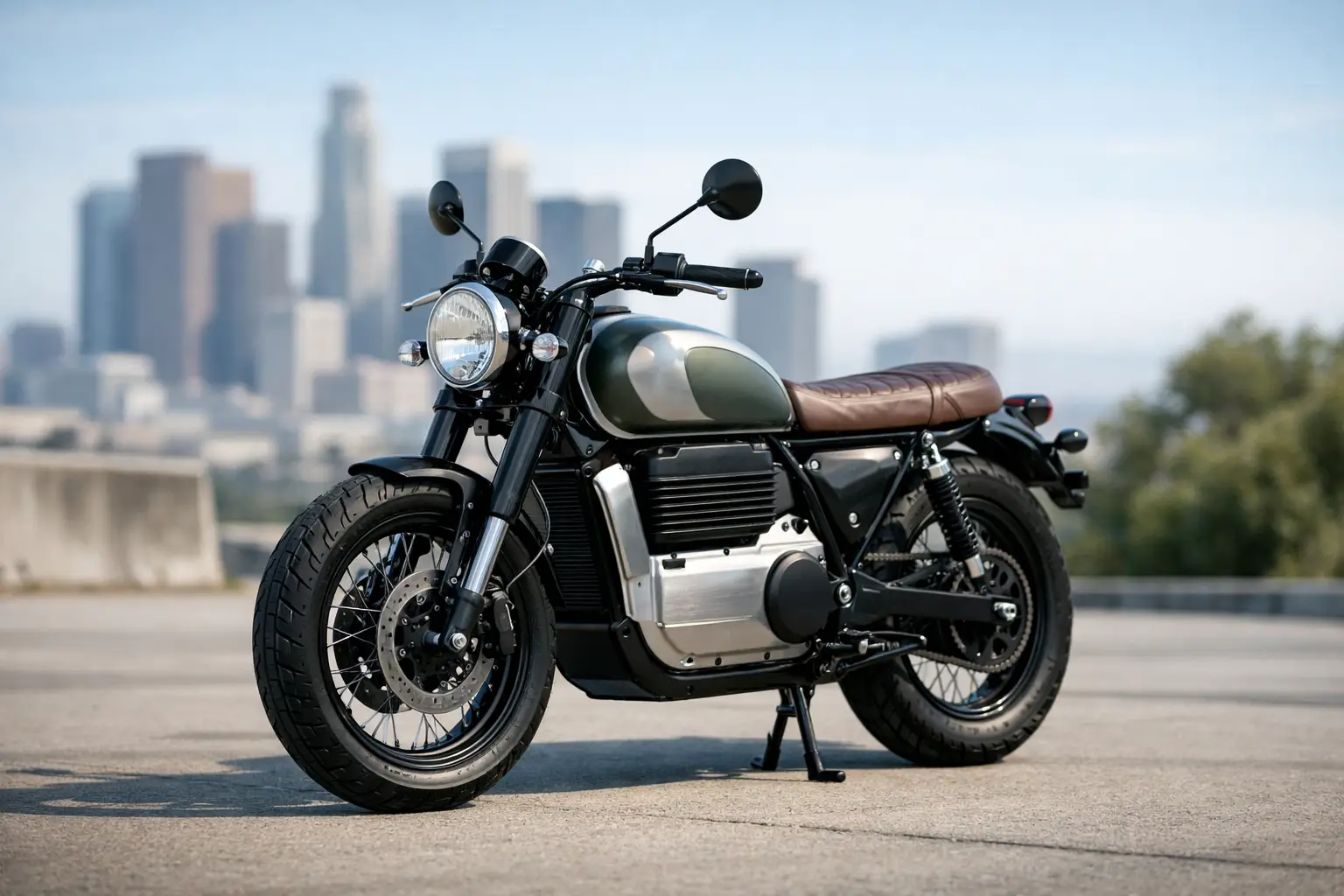
The question, “are retro electric motorcycles practical,” is best answered at the curb, not in a spec-sheet debate. Picture the daily ride: traffic tightening, parking scarce, a short run across town, then a quiet exit toward open roads after work. For that kind of life, a classic-shaped electric motorcycle can make more sense than a large gas bike – provided the rider chooses it for the roads they actually ride.
Retro electric motorcycles are not trying to be everything to everyone. They are designed for riders who value instant response over exhaust drama, timeless proportions over science-fiction styling, and a more considered relationship with the city. Classic lines. Electric heart. The result is a motorcycle that feels familiar at a glance and distinctly different the moment the throttle turns.
What Practicality Really Means on Two Wheels
Practicality is not just range. It is the complete rhythm of ownership: how easily a bike leaves the garage, moves through traffic, finds a place to park, charges between rides, and fits the rider’s routine without demanding a new lifestyle.
For urban commuters, electric power has an immediate advantage. There is no clutch work in stop-and-go traffic, no engine heat rising beneath you at a red light, and no fuel stop added to the weekly schedule. Torque arrives immediately, which makes pulling away from lights and slipping into a gap feel clean, direct, and controlled. The silence changes the character of riding, too. You hear the city, your tires, and the road surface rather than competing with the machine beneath you.
A retro electric motorcycle also brings a practical kind of emotional value. A motorcycle that looks right outside a studio, apartment building, or favorite coffee spot is more likely to be ridden. Design is not a substitute for engineering, but it is part of ownership. The bike should earn a second look while still being ready for the first green light.
Are Retro Electric Motorcycles Practical for Commuting?
For a predictable commute with access to charging, they can be exceptionally practical. The key is matching the motorcycle’s real-world range to your real-world mileage, not to the occasional longest ride of the year.
A rider traveling 15 to 35 miles each way can often return home with ample battery remaining, especially when charging is available overnight. That makes daily use simple: ride, plug in, repeat. Home charging turns energy into a background task, much like charging a phone. No gas station detour, no oil-change calendar, and far fewer routine mechanical items to think about.
City riding also plays to the electric drivetrain’s strengths. Regenerative braking can recover some energy during deceleration, while the lack of gears means the motorcycle remains composed through constant speed changes. A well-calibrated electric bike feels calm in congestion but eager when the road clears.
The limitation is equally clear. Riders without dependable home, workplace, or nearby public charging need to plan more carefully. Apartment living does not automatically rule out electric ownership, but access matters. A beautiful motorcycle is less practical if every charge requires a logistical mission.
The Range Question: Use the Honest Number
Published range is useful, but riders should treat it as a starting point. Speed, temperature, elevation, payload, tire pressure, wind, and riding style all affect how far a charge will go. Fast highway riding draws more energy than a steady city route, while cold weather can reduce available battery performance.
The practical question is not, “Can this bike achieve its maximum quoted range?” It is, “Can it cover my normal day with a comfortable buffer?” That buffer matters. It leaves room for an unexpected errand, a longer route home, or the simple pleasure of taking the scenic road.
For many urban riders, the answer is yes. For someone who regularly covers 150 miles of interstate in a single day, the answer is likely no – at least not without longer stops and deliberate charging planning. Electric motorcycles reward intentional riding. They are strongest when the ride and the machine are matched.
Charging Is the Real Ownership Test
Charging speed matters, but charging convenience matters more. An overnight charge at home is often the ideal arrangement because it uses the hours when the motorcycle would be parked anyway. The rider wakes up to a full battery rather than a low-fuel warning.
Public charging expands possibilities, especially for errands and workdays, but it should be viewed as support rather than the foundation of ownership. Infrastructure varies widely between neighborhoods and regions. Before buying, inspect the places you already spend time: home, office, gym, favorite weekend destination. If charging fits naturally into those locations, electric ownership becomes far easier.
There is also a useful shift in mindset. Gasoline motorcycles are refueled in concentrated stops. Electric motorcycles are charged in smaller, quieter moments. Riders who can plug in regularly rarely think about it. Riders who cannot may think about it constantly.
Retro Style Does Not Mean Old-School Performance
The strongest argument for the format is not nostalgia alone. A retro electric motorcycle combines the visual language riders already trust – a shaped tank profile, round lighting, honest materials, balanced stance – with power delivery that feels distinctly current.
Immediate torque can make a lightweight electric motorcycle feel quicker in city traffic than its horsepower figure suggests. Without gear changes interrupting acceleration, the response is smooth and immediate. That confidence is useful when merging, crossing an intersection, or moving through a tight urban lane.
The absence of engine vibration is another practical benefit, especially on repeated commutes. Less vibration can mean less fatigue through the hands and feet. Less noise can make early starts and late arrivals more considerate in dense neighborhoods. Silence is not a lack of character. It creates space for a different kind of character: subtle, composed, and unmistakably modern.
At RGNT, that idea is central to the appeal. The objective is not to imitate the past. It is to preserve the visual confidence of classic motorcycles while giving riders a cleaner, sharper way forward.
Where a Retro Electric Motorcycle Makes Less Sense
There are situations where a gas motorcycle remains the easier tool. Long-distance touring across remote areas is one. When a route depends on rapid refueling and hundreds of miles between overnight stops, gasoline infrastructure still offers greater freedom with less planning.
Riders who need to carry heavy cargo, regularly ride two-up at highway speeds, or live far from reliable charging should be particularly rigorous with their calculations. Motorcycle practicality is personal. A bike that is ideal for a 22-mile downtown commute may be the wrong answer for a 90-mile daily highway run.
Price also deserves a direct look. Premium electric motorcycles can cost more upfront than entry-level gas alternatives. The trade-off may be lower energy costs, reduced maintenance, and a more refined riding experience, but those benefits arrive over time. Buyers should assess the full ownership picture, including insurance, registration, charging access, and local incentives where available.
The Details That Decide Daily Usability
Before choosing a retro electric motorcycle, focus on the details that shape every ride. Confirm the usable range for your normal speeds. Understand the charging equipment, charging time, and outlet requirements. Check seat height, riding position, storage options, passenger capability, and the service support available in your area.
Do not overlook licensing and vehicle classification. Requirements vary by state, and riders should verify the rules that apply where they live. The same applies to insurance, parking policies, and access to workplace charging. Practicality is often decided by these quiet details rather than the headline numbers.
Finally, ride one if possible. Electric power delivery is hard to understand from a screen. Some riders miss shifting at first; others realize within minutes that they do not miss it at all. The right motorcycle should feel natural when the light changes and effortless when the road opens.
A retro electric motorcycle is practical when it becomes the machine you reach for without negotiation. If it fits your distance, charging routine, and sense of style, it can turn the everyday commute into something quieter, quicker, and far more alive.