
Your cart is currently empty!
How to Compare Motorcycle Specs Before You Ride
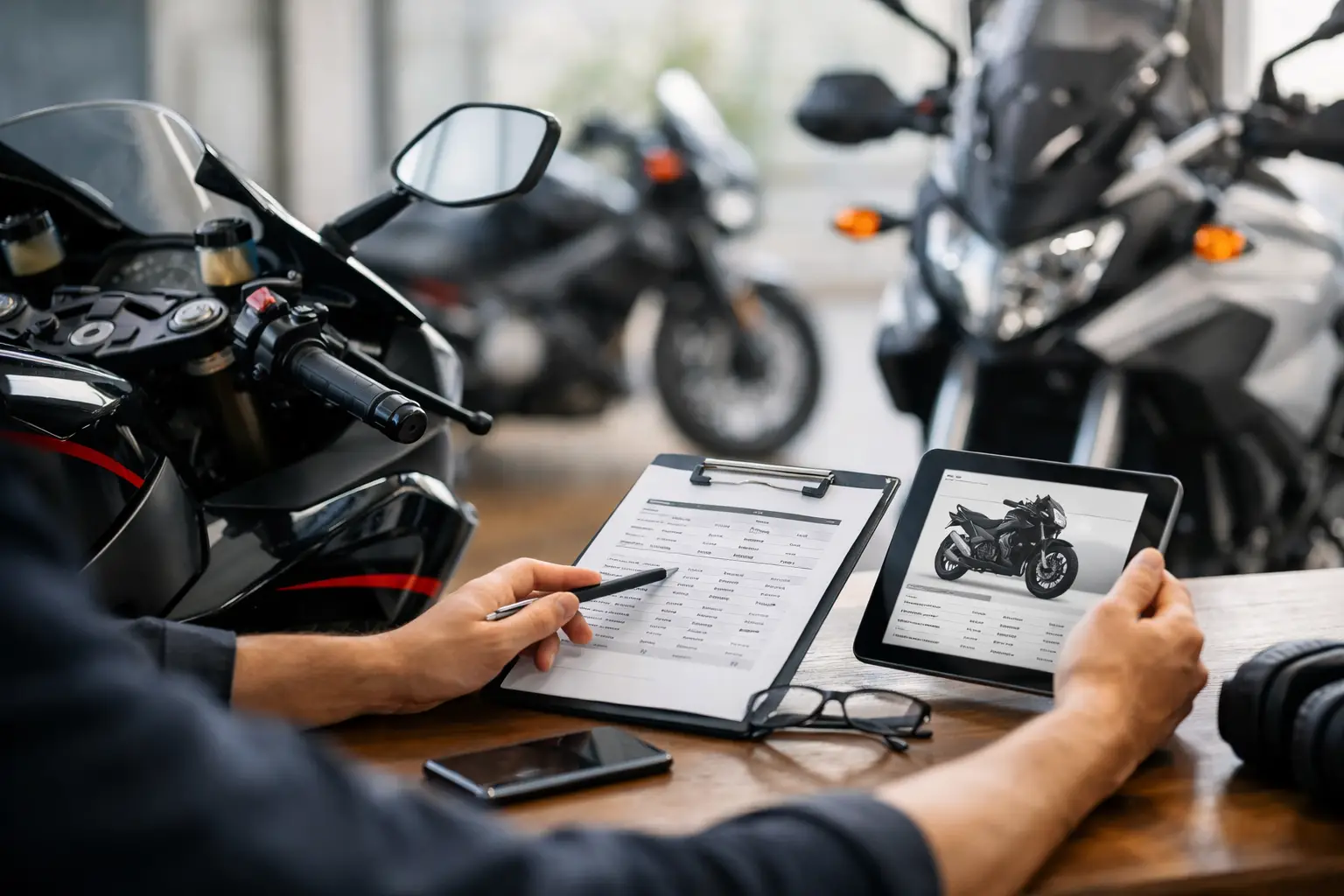
A spec sheet can make almost any motorcycle look compelling. A big top-speed number catches the eye. A long range claim sounds liberating. But the bike that looks strongest in a comparison table is not always the one that feels right beneath you at a red light, through a fast corner, or on the ride home after a long day.
Knowing how to compare motorcycle specs means separating the numbers that shape your actual experience from the ones that only look impressive in an ad. For urban riders especially, the right machine is a balance of instant response, practical range, composed handling, intelligent charging, and a design you will want to ride every day.
How to Compare Motorcycle Specs That Matter
Start by comparing motorcycles built for the same job. Putting a lightweight city-focused electric motorcycle next to a large touring machine tells you very little, even if both have two wheels and a claimed range. Decide where and how you ride first: dense city streets, suburban roads, weekend backroads, freeway commutes, or a mix of all four.
Then place the models side by side and look at the complete picture. Do not let one heroic figure decide the purchase. A motorcycle is a system. Motor output affects acceleration, but weight changes how that output feels. Battery capacity affects range, but charging speed determines how easily that range fits your life. Wheel size, suspension travel, brake hardware, tire choice, and riding position all influence confidence.
The best spec is the one that serves your route, your pace, and your taste without asking you to make excuses for it.
Power: Look Beyond the Peak Number
With gas motorcycles, buyers often start with horsepower and engine displacement. With electric motorcycles, torque and power delivery deserve equal attention. Electric motors deliver torque immediately, which gives a well-tuned bike its clean, decisive pull away from traffic lights and through gaps in city flow.
Compare both continuous power and peak power when manufacturers publish them. Peak power tells you about the hard hit available for acceleration. Continuous power is often more useful for understanding what the motorcycle can sustain without heat or battery limits reducing output. The difference matters on long, fast rides and during repeated hard acceleration.
Torque figures need context, too. A large torque number at the motor does not automatically reveal how urgent the bike will feel at the rear wheel. Gear reduction, throttle mapping, bike weight, traction control, and ride modes all shape the result. If possible, compare 0-30 mph and 0-60 mph times rather than relying on torque alone. For city riding, the first number can be more revealing. The rush from a standstill to urban speed is where electric performance earns its reputation.
Top speed should be judged honestly. If your routes include freeway stretches, make sure the motorcycle can hold a comfortable speed with reserve for merging and passing. If most of your riding happens below 50 mph, a dramatic top-speed claim may matter far less than smooth low-speed control.
Range: Ask Which Riding Conditions Were Used
Range is one of the most misunderstood motorcycle specs because no single number can capture every rider, road, temperature, and throttle hand. A claimed maximum range usually comes from controlled, favorable conditions. It is a useful reference point, not a personal guarantee.
When comparing electric motorcycles, find out whether the stated range is measured in city traffic, mixed riding, or sustained highway use. Stop-and-go riding can be surprisingly efficient for an EV because regenerative braking recovers some energy. High freeway speed, steep hills, cold weather, a passenger, and aggressive acceleration will shorten the distance available.
A better question is not, “Which motorcycle goes farthest?” It is, “How much range do I need between charges with a comfortable buffer?” If your daily loop is 28 miles and you can charge overnight, a bike with a huge battery may add cost and mass without adding much freedom. If you regularly ride 80 miles between dependable charging points, usable range becomes a central buying decision.
Also compare battery capacity, typically listed in kilowatt-hours, but do not treat it as the final answer. More kWh generally means more potential range, yet efficiency and weight still matter. Consider usable capacity when it is available, since some batteries reserve a portion to protect long-term health.
Charging: The Spec That Decides Ownership
Charging is less glamorous than acceleration, but it has a larger effect on everyday ownership. Check what type of charging the motorcycle accepts, whether a charger is built in, and how long it takes from a standard household outlet versus a higher-voltage setup.
Pay attention to the stated time and the conditions behind it. A claim from 20% to 80% is helpful for a mid-ride stop, while a 0% to 100% figure speaks more directly to overnight planning. For many urban owners, the ideal arrangement is simple: arrive home, plug in, and leave with a full battery the next morning.
Charging access should shape the comparison as much as battery size. Apartment parking, workplace charging, garage outlets, and local public infrastructure each create a different reality. A smaller battery that recharges conveniently can be more useful than a larger one that creates friction every time it needs energy.
Compare Weight, Geometry, and the Feel of Control
A motorcycle’s weight is never just a number. Where that weight sits matters just as much. A low-mounted battery can lower the center of gravity, making an electric bike feel planted through corners and easier to balance at low speed than its curb weight suggests.
Still, compare curb weight rather than dry weight whenever possible. Curb weight includes the fluids and ready-to-ride condition that better reflects what you will actually maneuver. If a manufacturer only lists dry weight, treat it as a partial figure and look for clarity before drawing conclusions.
Seat height matters at every stoplight. Riders with shorter inseams may value a low, narrow seat that makes a bike easy to support on uneven pavement. Taller riders should look at knee bend, handlebar reach, and footpeg placement, not only the seat-height measurement. A motorcycle can fit on paper and still feel cramped after 30 minutes.
Wheelbase, rake, and trail can offer clues about handling, though they should not be read in isolation. A shorter wheelbase often supports quick direction changes, while longer geometry may favor calm, straight-line stability. Suspension travel and adjustability matter more when pavement is broken, streets are crowned, or your route includes rough industrial blocks. The final test is always the ride itself: Does the motorcycle feel composed, natural, and alive in your hands?
Brakes, Tires, and Safety Technology
Brake-disc size and caliper design are worth comparing, but braking performance comes from the full package: tire grip, brake feel, suspension behavior, ABS calibration, and the rider’s control. Standard ABS is a meaningful baseline for street riding. Cornering ABS, traction control, and selectable ride modes can add another layer of confidence, especially in rain, cold conditions, or unpredictable city traffic.
Do not overlook tire dimensions and tire type. Wide tires may create a muscular silhouette and a planted feel, but they can add steering effort and affect efficiency. A sport-oriented tire may offer sharp dry-road grip while wearing faster or performing differently in wet weather. The right tire is not the most aggressive one. It is the one that suits the roads you ride.
Read the Fine Print, Then Trust the Ride
Spec comparisons get smarter when you look for the details beneath the headline. Check warranty terms for both the motorcycle and its battery. Ask whether connected features require a subscription, whether software updates are supported, and how service is handled where you live. For electric motorcycles, available dealer support and parts access can matter as much as the motor figure.
Legal classification deserves attention as well. Licensing, registration, insurance, and power limits vary by state and country. Confirm that the motorcycle fits the rules where you ride, rather than assuming a class label means the same thing everywhere.
Finally, compare what cannot be reduced to a column of numbers. Finish quality. Switchgear. The shape of the tank or battery enclosure beneath your knees. The way a silent drivetrain changes the texture of a familiar street. A hand-built machine such as an RGNT is chosen as much for its presence as its performance, and that is not a compromise in logic. It is part of the point.
The right motorcycle should make the practical details feel settled, then leave room for something less measurable: the instinct to take the longer way home.