
Your cart is currently empty!
An Electric Motorcycle for Design Lovers
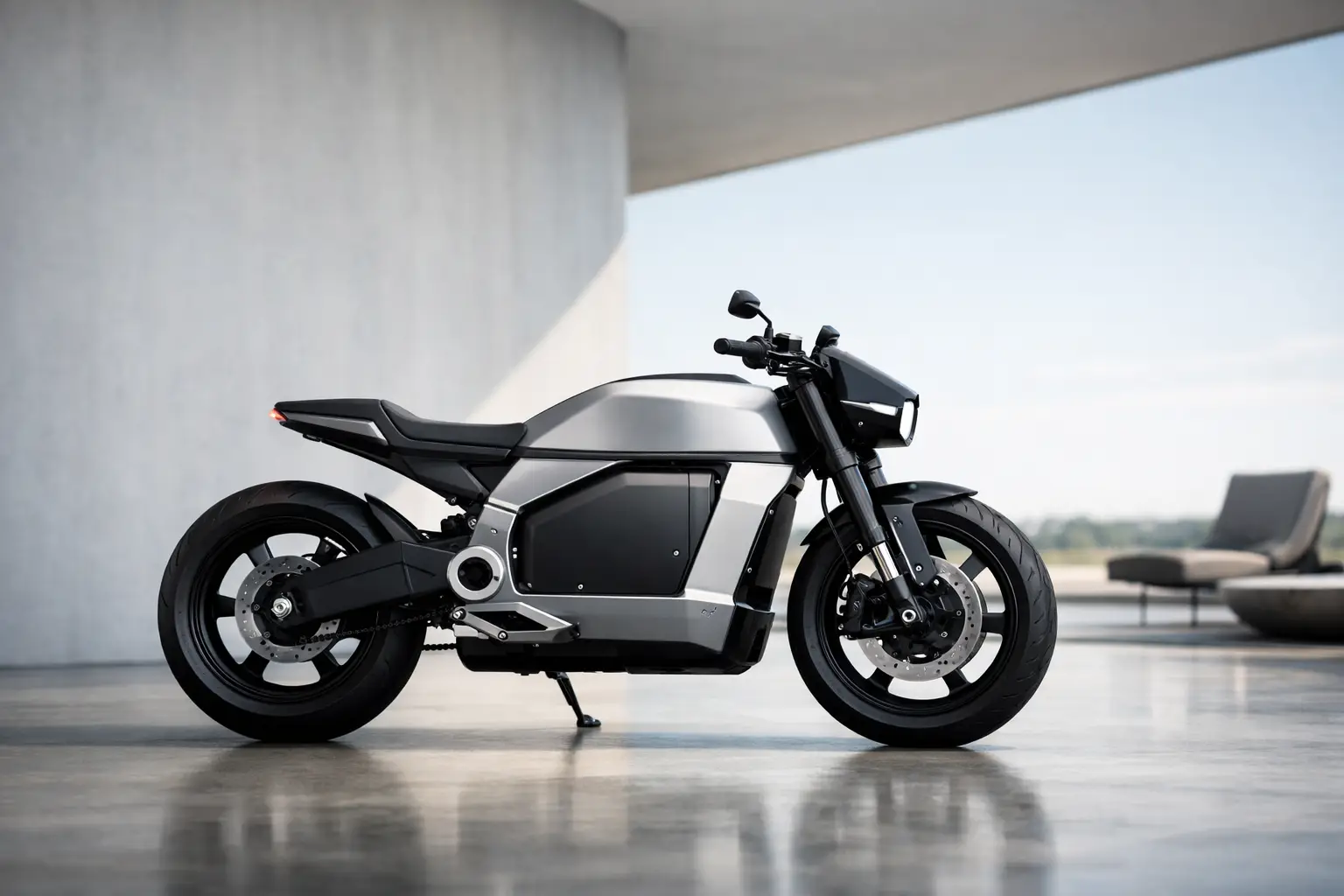
An Electric Motorcycle for Design Lovers Starts With Proportion
A red light is a ruthless place to judge a motorcycle. There is no blur of speed to hide awkward geometry, no exhaust note to distract from cheap details. An electric motorcycle for design lovers has to hold its own in stillness: clean tank line, deliberate stance, a seat that belongs to the frame, and controls that feel considered rather than added at the end.
That is where the difference lives. Plenty of electric two-wheelers are efficient. Fewer understand that a motorcycle is also an object of desire. It is the machine parked outside the studio, the café, or the apartment building that says something before its rider puts on a helmet. For riders who notice materials, silhouette, and restraint, design is not an accessory. It is part of the performance.
Classic Lines Need an Electric Heart
The best modern-classic motorcycles do not imitate the past. They borrow its confidence. A long, level silhouette, a purposeful wheelbase, exposed mechanical cues, and honest materials can create a shape that feels familiar without becoming nostalgic costume.
Electric power gives that language a new kind of clarity. Remove the heat, vibration, and visual clutter of a combustion drivetrain, and the rest of the motorcycle has more room to speak. The result can be minimal without being sterile. A battery does not need to force a vehicle into a plastic, space-age form. It can sit within a composition that feels balanced, tactile, and unmistakably motorcycle.
This is why retro-inspired electric design works when it is done with discipline. The goal is not to hide the technology. The goal is to integrate it so naturally that classic lines and modern function feel like one idea.
Silence Changes the Experience
A gas motorcycle announces itself before it arrives. An electric motorcycle makes a different statement. It moves through the city with a low mechanical presence, allowing the architecture, the road surface, and the rider’s own senses to come forward.
That silence is not an absence of character. It is character with less noise around it. Twist the throttle and the response is immediate. There is no waiting for revs, no clutch work in stop-and-go traffic, no drama required to pull away cleanly from an intersection. For an urban rider, that directness can make daily travel feel less like a routine and more like a private advantage.
The trade-off is emotional, too. Some riders will always want the pulse and soundtrack of an internal-combustion engine. Design-led electric motorcycles are not trying to replace that ritual for everyone. They offer another kind of connection: a quiet, precise response between hand, machine, and street.
What Design Lovers Should Look For
Beautiful motorcycles can photograph well and still disappoint in person. The closer you get, the more the decisions matter. Look beyond paint color and a clever badge. Study how the parts meet.
A silhouette with restraint
Good proportion is difficult to fake. The visual mass of the battery, motor, wheels, and rider position should feel resolved from every angle. A strong design has a clear center of gravity. It does not need exaggerated fairings or aggressive angles to look fast.
A compact urban bike may favor a tighter, more upright stance. A longer machine can feel more composed at speed. Neither is automatically better. The right choice depends on where and how you ride, but the form should always support the purpose.
Materials that reward attention
Premium design is felt through contact points. The texture of the grips, the finish of the switches, the stitching of the seat, and the quality of metal hardware all shape the ownership experience. These are the details a rider encounters every day, long after the first impression has faded.
Handcrafted, limited-batch production has real value here when it leads to better fit, finish, and quality control. It is not about chasing rarity for its own sake. It is about choosing a motorcycle made with enough care that it continues to feel considered after a year of commutes and weekend rides.
Technology that knows when to disappear
A display should be legible in bright daylight, not a glowing distraction. Connectivity should offer useful information, not turn every ride into another stream of notifications. Modern technology earns its place when it makes the machine easier to live with: clear charge status, practical ride data, sensible security, and dependable control.
For design lovers, the ideal interface is quiet confidence. It gives you what you need, then steps back.
Performance Is Part of the Aesthetic
A motorcycle that looks composed should ride that way, too. Instant electric torque suits city riding particularly well because it delivers strong acceleration where riders use it most: pulling into traffic, clearing an intersection, or flowing through a gap before it closes.
But spec-sheet theater is not the whole story. Top speed matters if your route includes faster roads. Range matters if you cannot charge where you park. Charging time matters if the bike must fit into a working day. Vehicle classification matters because licensing rules, insurance, and local regulations can shape what makes sense for you.
For many urban riders, an A1-class electric motorcycle hits an appealing balance. It is substantial enough to feel like a real motorcycle, yet approachable in size, weight, and daily running costs. It can be the right category for a newer rider, a returning rider, or someone who wants a more elegant alternative to a car for city movement. Still, riders with regular freeway miles or two-up plans may need more capacity, range, and sustained-speed performance.
The point is simple: buy for your actual week, not your most cinematic Sunday.
The Motorcycle as a Daily Object
Design is often misunderstood as decoration. In reality, it is the discipline of making an object work beautifully. On an electric motorcycle, that begins with practical questions. How naturally does it fit your body? Can you maneuver it in a tight garage? Is charging straightforward? Will its range comfortably cover your commute with room for detours?
Then come the less measurable questions. Do you look back at it after parking? Does it feel right beneath you at low speed? Does the machine feel like an extension of your taste, rather than a compromise you accepted for convenience?
That overlap of utility and identity is where a motorcycle becomes more than transportation. It becomes part of a life built around intentional choices: fewer unnecessary things, better-made things, and more pleasure in the everyday journey.
A More Considered Kind of Rebellion
The loudest motorcycle in the street is not always the one people remember. Sometimes it is the one with the strongest line, the cleanest detail, and the confidence to let its presence do the work.
RGNT Motorcycles approaches this idea through hand-built Swedish craftsmanship, modern electric performance, and a silhouette that respects the enduring appeal of a proper motorcycle. The appeal is not novelty. It is the conviction that progress can look better than a gadget.
That matters for riders who have spent years choosing furniture, clothing, tools, and spaces with care. A motorcycle should not be excluded from that standard. It should meet it with an electric heart, immediate torque, and a form worth living with.
Choose the machine that suits your roads and charging routine, then give equal weight to the feeling it leaves behind when the ride is over. The right one will make even a familiar route feel like a deliberate choice.