
Your cart is currently empty!
What Makes an Electric Motorcycle Lifestyle Brand?
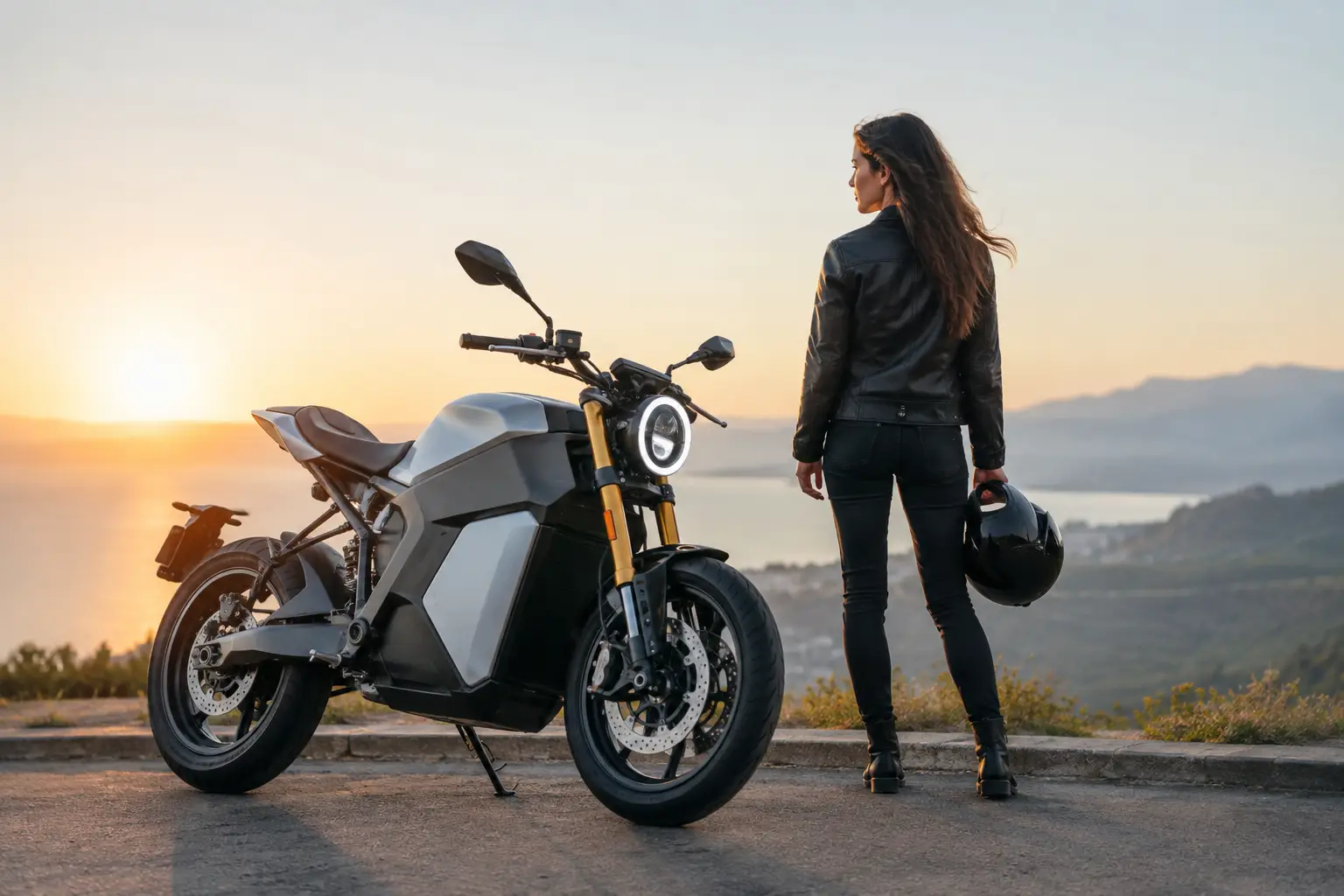
The phrase electric motorcycle lifestyle brand can sound like marketing until the light changes, the city opens ahead, and you pull away without the usual mechanical theater. No exhaust note asking for attention. No vibration filling your hands. Just immediate torque, classic proportions, and the rare feeling that your ride reflects your taste before it says anything at all.
That is the difference between selling electric transport and building a motorcycle brand with a point of view. A motorcycle has always been more than a way to get from one place to another. It is an object of desire, a personal uniform, and a reason to take the long way home. Electric power does not erase that culture. Done well, it gives it a sharper, quieter form.
An Electric Motorcycle Lifestyle Brand Starts With Identity
Most urban mobility is designed to disappear into the background. It solves a practical problem, then asks very little of the rider. That has value. But a motorcycle is different. Riders notice the radius of a fender, the stance of a frame, the finish of a tank, and the way a machine looks parked outside a coffee shop or studio.
A true lifestyle brand understands that design is not decoration applied after engineering. It is part of the engineering brief. The battery, motor, wiring, display, and controls must belong to the whole silhouette. If the technology fights the form, the bike can feel like a gadget on wheels. If it is integrated with intention, the result feels inevitable: classic lines, electric heart.
This is why retro-inspired electric motorcycles matter. Their appeal is not nostalgia for nostalgia’s sake. Familiar proportions make advanced technology feel human. A round headlight, a clean bench seat, and a balanced tank line carry decades of motorcycle language without forcing the rider to accept decades-old compromises.
The goal is not to imitate the past. It is to carry forward what was worth keeping: presence, simplicity, and the satisfaction of a machine made with restraint.
Silence Is a Different Kind of Performance
For generations, loudness has been treated as proof of performance. More noise meant more power, more character, more attention. Electric motorcycles challenge that assumption with a better question: What if performance did not need to announce itself?
Instant torque changes the first few feet of every ride. In city traffic, that response is more relevant than theatrical acceleration figures alone. A rider needs confident pull away from lights, predictable throttle control, and enough power to merge cleanly into moving traffic. Electric drive delivers its force without waiting for revs, clutch work, or gear changes.
Silence changes the atmosphere around the ride, too. You hear tires on pavement, wind at speed, and the small sounds of a city waking up. Early departures become less intrusive. A late-night ride can feel composed rather than confrontational. For riders who prefer presence over spectacle, quiet is not an absence of character. It is character with discipline.
That does not mean electric is the answer for every kind of motorcyclist. Riders who live for long cross-country days, roadside fuel stops, and the ritual of a combustion engine may find current charging patterns limiting. Range, access to charging, weather, and parking all remain real ownership considerations. The electric motorcycle lifestyle is strongest when it fits the rhythm of your actual life, not an imagined one.
For commuting, city routes, and purposeful weekend rides, however, electric power has a particular elegance. Charge where you park. Leave with a full battery. Ride without planning your day around a gas station.
Craftsmanship Makes Technology Feel Worth Keeping
A premium motorcycle should age with dignity. That is harder to achieve than it sounds.
Screens date quickly. Fashion-led details can lose their appeal after one season. Cheap finishes reveal themselves in the places riders touch most: grips, switches, fasteners, seat material, and paint. A lifestyle brand earns loyalty when the machine feels considered after the first photograph and after the hundredth commute.
Craftsmanship is not a vague luxury claim. It appears in fit, finish, quality control, and the choices a maker makes when there is an easier, faster option available. Limited-batch production can support that standard because it leaves room for attention. Hand-built work matters when it produces consistency, not merely a romantic story.
Swedish design has long understood the value of restraint. It favors clarity over ornament and materials that speak without shouting. Applied to an electric motorcycle, that approach creates a bike that can live in different settings without trying too hard. It belongs outside an apartment building, beside an office, or on a quiet road beyond the city limits.
RGNT Motorcycles builds from that idea: an electric machine with the stance and soul of a classic motorcycle, shaped and assembled in Sweden for riders who refuse to choose between design and daily usability.
Lifestyle Must Hold Up on Monday Morning
The strongest brand stories survive contact with real life. A beautiful bike that is difficult to charge, awkward to park, or uninspiring in traffic is only a beautiful object. A credible electric motorcycle lifestyle includes the unglamorous details because those details determine whether the motorcycle becomes part of your week.
For urban riders, the practical test is simple. Can the bike handle the commute without drama? Can it be charged around existing routines? Does its vehicle class suit the roads you actually use? Does its range allow room for detours, meetings, and a ride after work without turning every mile into a calculation?
The right answer depends on the rider. Someone with secure home charging and a predictable city commute may find electric ownership remarkably easy. Someone in a building without charging access, or with frequent highway-heavy trips, should be more deliberate. Premium does not mean pretending trade-offs do not exist. It means being clear about where a machine excels.
For the rider whose life is centered around the city, that fit can be compelling. Lower routine maintenance, no fuel stops, quiet operation, and immediate response make the motorcycle feel less like a weekend project and more like a natural extension of daily movement.
Why Style Still Matters
There is a tendency to treat aesthetics as superficial, especially in conversations about electric vehicles. But style influences behavior. When a motorcycle feels personal, riders want to use it. They care for it. They choose it over less engaging ways to travel.
Style also signals independence. Not the loud kind built on attention, but the quieter confidence of choosing something because it is right for you. The silent minority does not need to perform rebellion. It simply declines the ordinary.
That attitude is especially relevant as cities become more crowded, regulated, and visually repetitive. The future of mobility cannot be a row of identical appliances. It should leave room for objects with emotion, engineering with personality, and riders who see the journey as part of the point.
An electric motorcycle can be clean without looking clinical. It can be technologically advanced without dressing like a prototype. It can offer performance without turning every street into a stage. Those are not contradictions. They are the foundation of a more mature motorcycle culture.
The Motorcycle as a Personal Standard
The best lifestyle brands do not tell people who to be. They give people a well-made way to express what they already value.
For one rider, that may mean arriving at work without the smell of fuel on a jacket. For another, it is the pleasure of riding a machine with a shape that will still look right years from now. For many, it is the combination: the satisfaction of modern performance delivered through an object with genuine visual soul.
Choose the motorcycle that suits your routes, charging reality, and riding ambitions. Then choose the one that makes you look back at it after you park. The practical decision gets you moving. The emotional one is what makes you ride.