
Your cart is currently empty!
How to Finance an Electric Motorcycle Well
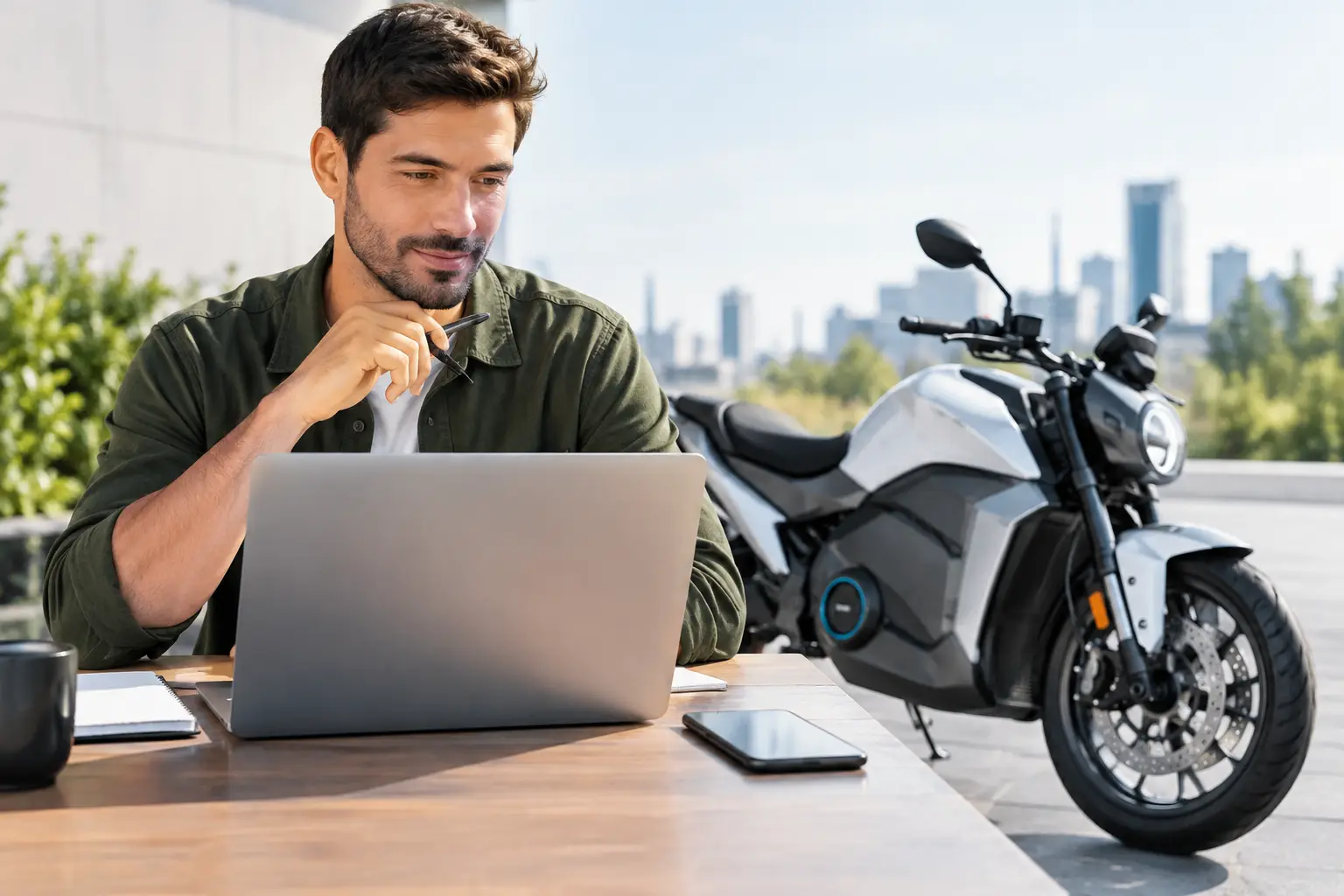
The price on the tag is only one part of the decision. To finance an electric motorcycle is to choose how you want to own the ride: with a larger down payment and lower monthly cost, or with more cash left for the rest of life. Either can be the right call. What matters is that the payment supports the reason you chose electric in the first place: quiet torque, clean design, and a better way through the city.
A premium electric motorcycle should feel considered from the first twist of the throttle to the final payment. That means looking beyond the advertised monthly figure and understanding the full shape of the deal.
Start With the Ride, Then Set the Budget
Before comparing lenders, decide what the motorcycle needs to do. A daily city commuter has a different value equation than a weekend machine that earns its keep through pure escape. Consider your usual mileage, access to charging, parking situation, insurance cost, and how long you expect to keep the bike.
Electric ownership can change the monthly math. Charging generally costs less than fueling a comparable gas motorcycle, and an electric drivetrain has fewer routine mechanical service points. There is no oil to change, no clutch to adjust, and no exhaust system to maintain. Those savings are real, but they should not become an excuse to stretch beyond a comfortable payment.
Set a monthly number that leaves room for insurance, protective gear, registration, charging, and the occasional unexpected expense. The best motorcycle payment is not the biggest one a lender will approve. It is the one that lets you ride without turning every month into a negotiation.
How to Finance an Electric Motorcycle: Know Your Options
Most riders choose between dealer-arranged financing, a bank or credit union loan, and personal financing. Each route has a place, and the strongest option depends on your credit profile, purchase timing, and appetite for flexibility.
Dealer-arranged financing is often the most direct path. It keeps the purchase and financing process together, which can make delivery feel refreshingly uncomplicated. Dealers may also have access to promotional rates or lending partners familiar with motorcycle purchases. Read the agreement closely, particularly any early payoff terms, processing fees, or requirements attached to a promotional offer.
A bank or credit union can be compelling if you already have a relationship there or have strong credit. Credit unions, in particular, may offer competitive rates and a more personal approval process. Getting pre-approved before shopping gives you a real ceiling and lets you evaluate any dealer offer with calm, not pressure.
Personal loans offer another route, especially when traditional motorcycle financing is unavailable for a particular model or purchase structure. The trade-off is that rates may be higher than secured vehicle loans, since the motorcycle is not always used as collateral. They can make sense for buyers who value simple terms and plan to pay the loan down quickly.
Look Past the Monthly Payment
A low monthly number can look polished while hiding a longer term or higher total cost. Ask for the annual percentage rate, loan term, total amount financed, total interest paid over the loan, and whether there are fees folded into the balance.
A 72-month loan can make a premium motorcycle appear easier to reach, but it also keeps you paying longer and increases the interest you pay. It may be sensible if the payment gives you breathing room and you intend to make extra payments. If not, a shorter term is usually cleaner. You build equity faster and reduce the risk of owing more than the bike is worth if your plans change.
The down payment matters for the same reason. Putting money down reduces the amount borrowed, lowers interest costs, and can improve approval odds. A 10% to 20% down payment is a useful benchmark for many buyers, though there is no universal rule. Keep enough cash in reserve to handle your real life. Draining your savings for a smaller payment is not a design move. It is a gamble.
A Simple Way to Compare Offers
Put every offer on one page. Compare the vehicle price, down payment, APR, term length, monthly payment, fees, and total repayment. If one lender offers a lower payment but asks you to carry the loan for two extra years, the comparison will expose it immediately.
Also ask whether the loan allows extra payments without penalty. The ability to pay more when a bonus, tax refund, or strong month arrives gives you control. A flexible loan lets you keep the lower required payment while shortening the actual life of the debt on your terms.
Credit, Approval, and Timing
Your credit score is not a verdict on your taste. It is a tool lenders use to price risk. Higher scores generally lead to better rates, but approval decisions can also reflect income, debt-to-income ratio, employment history, loan amount, and the size of your down payment.
Check your credit report before applying. Correcting an error or paying down a high credit-card balance can have more impact than shoppers expect. Avoid applying with multiple lenders over a long period, since repeated hard inquiries can complicate your profile. Instead, research first, then submit applications in a focused window once you are ready.
If your rate is less attractive than expected, do not confuse speed with necessity. You might improve your options by increasing the down payment, choosing a shorter loan amount, bringing in a qualified co-signer, or waiting while you strengthen your credit position. The motorcycle will still be worth wanting after a better decision.
Price the Whole Ownership Experience
Electric motorcycles are refreshingly spare in their maintenance needs, but ownership is never just the financed amount. Insurance can vary substantially based on location, rider history, coverage limits, and the replacement value of the bike. Get a quote before signing, not after.
Charging deserves a practical look, too. For urban riders, home charging may be easy, or it may require a conversation with a landlord, building manager, or electrician. Public charging can work well for certain routines, but it should complement your life rather than dictate it. Know the bike’s charging requirements and your real access before treating charging savings as guaranteed.
Factor in riding gear and security. A premium motorcycle merits a proper helmet, jacket, gloves, lock, and, where appropriate, secure storage. These are not accessories added to inflate a checkout total. They are part of protecting the machine and the person on it.
Incentives Can Help, but Do Not Build the Deal Around Them
Depending on where you live, electric motorcycles may qualify for state, local, utility, or other incentive programs. Availability, eligibility rules, funding levels, and vehicle requirements change frequently. Some offers are applied at purchase; others are claimed later and may depend on residency, income, registration, or the specific model.
Treat an incentive as a welcome reduction in cost only after you have confirmed the details. Do not use a possible rebate to justify a payment that already feels too tight. A financing plan should stand on its own, even if the incentive arrives late or does not apply.
Choose a Bike Worth Keeping
Financing works best when the motorcycle has staying power. That does not mean buying the most expensive option. It means choosing something with performance that suits your routes, build quality that supports regular use, and a design you will still want to see in the garage years from now.
Classic lines and an electric heart are not opposing ideas. For riders who reject disposable trends, they are the point. A hand-built machine such as an RGNT can make a strong case for itself when its range, charging fit, performance, and finish match the way you actually ride.
The goal is not to make a motorcycle look affordable by extending payments until the numbers disappear. The goal is to make a clear, confident purchase that keeps its edge long after the paperwork is forgotten. Choose the term that gives you room to live, protect the bike properly, and leave enough space in the budget for the only metric that really matters: more time riding in silence.