
Your cart is currently empty!
Motorcycle Customization With Real Character
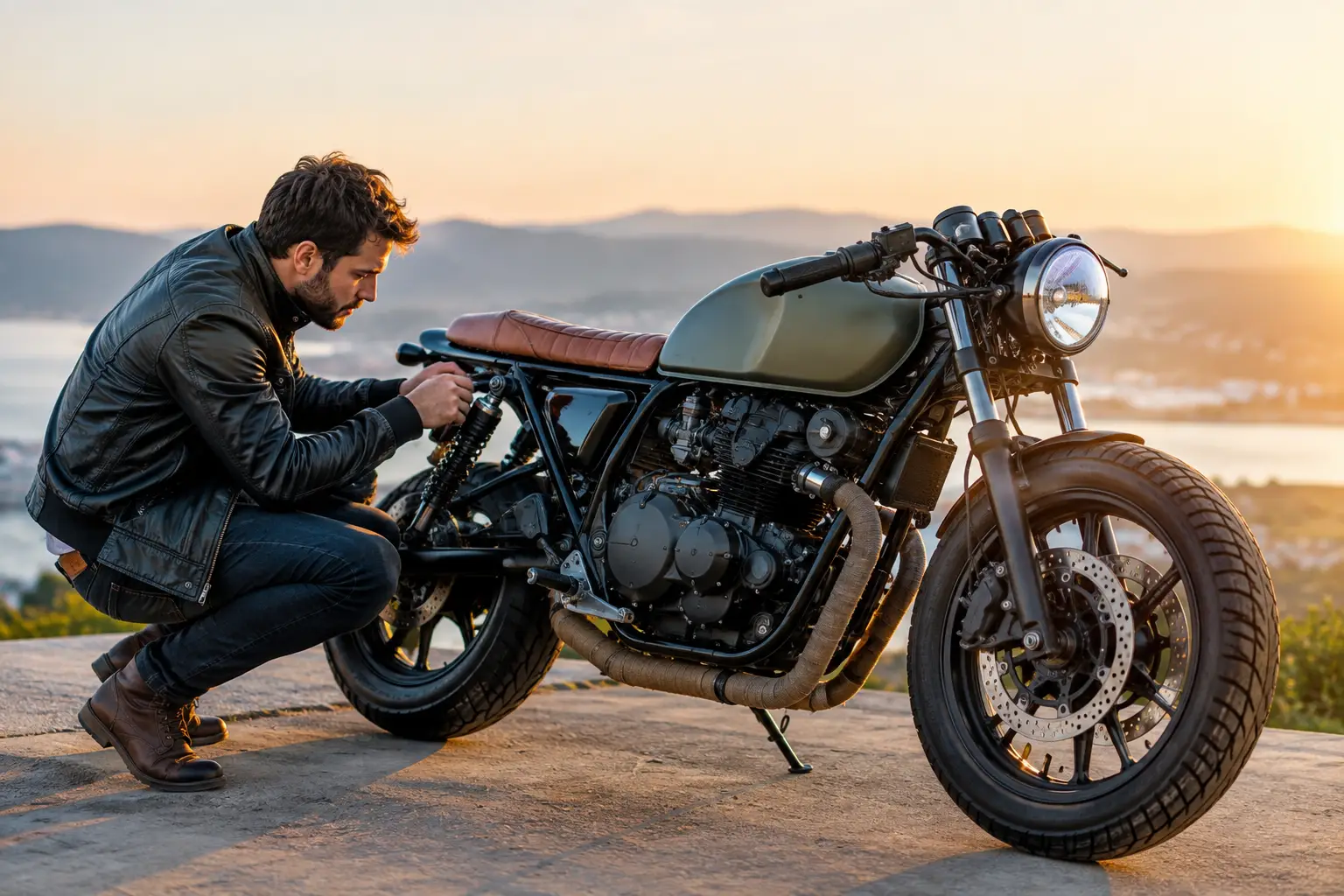
Motorcycle customization is not about adding more. It is about removing every detail that does not belong until the machine feels unmistakably yours. The best builds carry a point of view before the key is turned: classic lines, a purposeful stance, and performance that fits the way you actually ride.
For an urban rider, that point of view matters more than a catalog full of parts. A motorcycle has to look right parked outside a gallery, move cleanly through morning traffic, and still feel alive when the city opens up. Personalization should sharpen that experience, not bury it under noise.
Motorcycle Customization Starts With the Ride
Start by being honest about where your motorcycle spends its time. A bike built for weekend canyon roads asks for different decisions than one that handles a daily commute, a tight apartment garage, and unpredictable city weather. The goal is not to copy a build seen online. It is to create a machine with a reason for every choice.
Think in terms of a brief. Do you want a stripped-back street tracker with a compact, forward stance? A refined commuter with warmer materials and practical storage? Or a dark, minimal machine that lets its engineering do the talking? A clear brief keeps the build coherent when choices start competing for attention.
Set a budget early, but do not divide it evenly across cosmetic and mechanical work. A new seat or pair of grips can change how a bike feels every day. So can better tires, suspension setup, braking components, and lighting. The difference is that the second group affects control as well as character.
Choose a direction, then edit hard
Customization works best when it follows a visual language. Pick two or three defining cues – perhaps brushed metal, blacked-out hardware, and saddle leather – then repeat them with restraint. If every component demands attention, the motorcycle loses its silhouette.
This is where many builds go wrong. A premium exhaust, a carbon fender, a quilted seat, anodized levers, and aggressive graphics may all be excellent parts on their own. Together, they can look like five different motorcycles arguing at a stoplight. Good design knows when to leave space.
Build the Silhouette Before the Details
The profile of a motorcycle is its first impression. Before selecting mirrors, foot pegs, or a finish for the bolts, look at the tank, seat, wheels, handlebars, and rear end as one continuous line. Small changes in these areas can transform the entire bike.
Handlebar choice is a useful example. Low clip-ons create a committed, athletic posture and a more compact visual line, but they can become tiring in slow urban traffic. Upright bars offer leverage, comfort, and better visibility, yet may move the bike away from a café-racer attitude. Neither is automatically better. The right choice depends on your roads, your body, and how long you stay in the saddle.
Seats deserve the same attention. A slim, flat saddle can make a motorcycle look leaner and more deliberate. It may also reduce passenger comfort and limit the space available for a battery enclosure or electronics beneath it. Choose materials that age with dignity. Leather, quality vinyl, textured technical fabrics, and clean stitching can add personality without turning the bike into a costume.
Wheel and tire choices are equally powerful. Tire tread changes the visual weight of a build, but it also changes turn-in, wet-weather confidence, rolling resistance, and noise. For city riding, a tire that looks suitably tough but performs poorly in rain is not a styling decision. It is a compromise you will feel at every intersection.
Customize an Electric Motorcycle With Care
Electric motorcycles create a different kind of custom canvas. Without a large combustion engine, exhaust headers, and fuel system occupying the center of the bike, proportion becomes even more visible. The battery, motor, cable routing, and cooling strategy are not background details. They are part of the architecture.
That is an opportunity, provided you respect the systems that make electric performance possible. Cosmetic changes around battery covers, side panels, seats, and lighting can create a strikingly individual machine. Altering high-voltage wiring, battery management systems, motor controllers, or thermal protection without specialist expertise can compromise safety, reliability, range, and warranty coverage.
The strongest electric builds do not pretend to be gasoline motorcycles. They use silence as part of the experience. A clean drivetrain, restrained surfaces, and immediate torque create their own kind of drama. At RGNT Motorcycles, that balance is central: a motorcycle can carry the proportions and emotional pull of a classic machine while keeping an electric heart visible in its confidence and response.
Preserve what makes the bike ride well
The temptation to modify performance is understandable. Riders want quicker acceleration, a more urgent throttle response, or a higher top speed. Yet software tuning and aftermarket controllers can affect heat management, battery life, regenerative braking behavior, and legal classification. Gains on paper may bring less range, rougher low-speed control, or more wear in daily use.
Start with changes that improve the connection between rider and machine. Suspension setup for your weight and riding style can deliver more confidence than chasing extra power. Brake pads, fresh fluid, properly adjusted levers, and quality tires often make a bike feel sharper without asking the electrical system to do something it was not designed to do.
The Details That Carry Identity
Once the stance and core function are right, the smaller choices become meaningful. Mirrors, grips, levers, foot controls, turn signals, and license plate hardware are not glamorous, but they are the elements you touch and see most often. Cheap finishes fade quickly. Poorly fitted components rattle. Both can undo the effect of an otherwise considered build.
Lighting is one area where design and safety should move together. A compact LED headlight or discreet turn signals can clean up the front and rear of a motorcycle, but visibility remains non-negotiable. Make sure beam patterns are useful at night, signals remain visible from the side, and any modification meets local road requirements. Minimal should never mean invisible.
Color deserves restraint, too. One strong paint color can define a bike more effectively than a complicated graphic package. Deep green, muted silver, ink black, warm ivory, or a single unexpected accent can all work when the finish is excellent. Consider how the color sits against the frame, motor housing, and wheels in daylight, not just under workshop lighting.
There is also a quiet luxury in materials that improve with use. Machined aluminum develops small marks. Leather gains depth. A well-painted tank reflects the miles rather than hiding them. Motorcycle culture has always valued patina because it proves a machine is ridden, not merely displayed.
Keep the Build Street-Ready
A custom motorcycle should be checked as carefully as it is styled. Confirm that steering moves freely from lock to lock, cables are not pinched, suspension travel is unobstructed, and fasteners are tightened to the correct specification. If a modification affects brakes, lighting, wheels, drivetrain components, or high-voltage equipment, have a qualified technician inspect the work.
Legal requirements vary by state, especially around lighting, mirrors, fenders, plate placement, noise rules, and vehicle modifications. Electric bikes avoid exhaust noise, but that does not exempt them from equipment standards. A build that cannot be registered, insured, or safely ridden after dark has missed the point.
Document the work as you go. Keep photos, receipts, paint codes, component specifications, and notes on wiring changes. This makes future maintenance easier, supports resale value, and helps the next technician understand what they are working with. Individuality should not create mystery.
Let the Motorcycle Say Less
The most memorable custom motorcycles do not announce every decision. Their details feel inevitable. The seat follows the frame. The controls suit the riding position. The color serves the shape. The performance remains usable where the bike lives.
Build for the moment you walk back to it after a long day and notice that it still feels like your machine, not someone else’s idea of one. That is the standard worth chasing: a motorcycle with enough attitude to stand apart, and enough discipline to stay timeless.