
Your cart is currently empty!
Are Electric Motorcycles Waterproof? Rain Explained
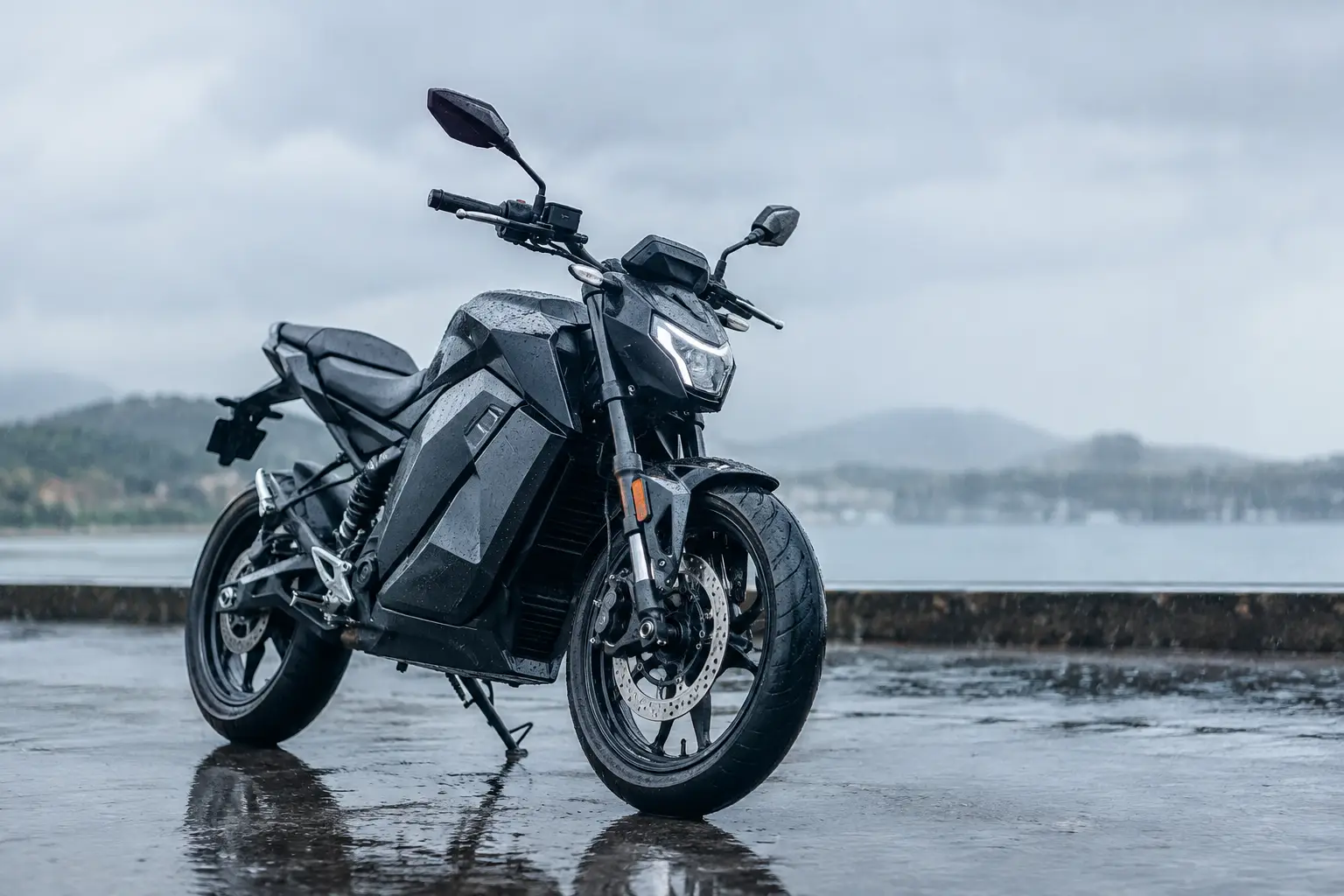
A silent ride home through a summer downpour should feel cinematic, not risky. So, are electric motorcycles waterproof? Not completely. A properly engineered electric motorcycle is designed to handle normal rain, wet roads, and the spray that comes with everyday riding. But water resistance has limits, and treating any motorcycle like a submarine is an expensive kind of confidence.
The distinction matters because an electric motorcycle carries its performance in places a gas bike does not: a high-voltage battery, motor, controller, wiring harnesses, display, and charging hardware. On a well-built machine, these systems are enclosed and protected for real-world weather. Still, protection against rain is not the same thing as permission to wade through floodwater or aim a pressure washer at every seam.
Are Electric Motorcycles Waterproof in Rain?
For normal riding, most road-legal electric motorcycles are made to operate in wet conditions. Tires move water. Fenders catch it. The underside of the bike sees road spray. Manufacturers know this, so critical electrical components use sealed housings, protected connectors, gaskets, and carefully managed cable routing.
That is why a rainy commute is generally not a reason to leave an electric bike at home. In fact, the absence of an exhaust, fuel tank ventilation, and many of the fluid-related concerns of an internal-combustion motorcycle can make electric ownership feel refreshingly straightforward.
But “waterproof” suggests absolute protection at any depth, pressure, and duration. That is rarely the right word. Even components with strong environmental sealing have defined test conditions. A bike that is comfortable in sustained rain may not be designed for deep standing water, saltwater exposure, repeated high-pressure washing, or long-term outdoor storage without cover.
Think of it this way: rain is part of the road. Submersion is not.
What Protects an Electric Motorcycle From Water?
Water protection is not one feature. It is a system of decisions, from the battery enclosure to the way a connector faces beneath the frame. The best designs protect the parts that matter while keeping the motorcycle clean, compact, and true to its lines.
The battery pack is the central concern. It should sit inside a sealed enclosure that resists spray, dust, and ordinary weather. The motor and controller also need environmental protection because they manage the immediate torque that defines an electric ride. Their housings, seals, and connectors must continue doing their job through heat cycles, vibration, and wet-road miles.
Ingress Protection, usually shortened to IP rating, is useful when it is published. The first digit refers to protection against solids such as dust; the second refers to water. A higher water-resistance digit generally indicates stronger protection, but the test method matters. Protection against a water jet is different from protection against temporary immersion. Never assume that a high rating on one component applies to the entire motorcycle.
There is another layer that spec sheets do not always capture: build quality. Consistent panel fit, correctly seated seals, durable connector locks, and intelligent drainage routes all affect how a bike ages in wet weather. This is where considered engineering earns its keep. Classic lines still need modern discipline underneath.
The Real Limits: Floods, Pressure Washers, and Salt
The risky situations are usually more obvious than riders admit. If water is deep enough to reach the battery case, motor, or major electrical connections, turn around. You cannot always judge depth through a reflective puddle, and moving water can destabilize a motorcycle quickly. The danger is not only electrical damage. It is loss of traction, hidden potholes, contaminated water, and corrosion waiting to appear later.
Pressure washers deserve the same restraint. Their force can drive water past seals that rain would never challenge. Avoid directing high-pressure water at the battery enclosure, display, switchgear, charging port, wheel bearings, axle areas, and electrical connectors. A gentle rinse, soft brush, and motorcycle-safe cleaner are usually enough to keep a premium machine looking sharp.
Salt changes the equation too. Coastal air, winter-treated streets, and salty spray accelerate corrosion. Water may not stop a bike immediately, but salt can quietly attack fasteners, connector terminals, brake hardware, and exposed metal over time. After riding on salted or coastal roads, rinse the motorcycle with low-pressure fresh water, dry it carefully, and inspect it more often.
Riding an Electric Motorcycle in the Rain
Electric torque is immediate, which is part of the appeal. On wet pavement, it also asks for a smoother right hand. Roll into acceleration rather than snapping the throttle open at a painted line, metal grate, manhole cover, or patch of leaves. Regenerative braking can feel different in low-grip conditions as well, depending on the bike and its settings. Give yourself room, and learn the response of your machine before the weather demands it.
Tire condition matters more than powertrain type. Proper tread depth and correct tire pressure are your first defenses against standing water and reduced grip. Good lighting, a clear visor, and dry gloves do more for safe wet-weather riding than any claim of waterproofing.
Rain can also reduce visibility for other road users. The quiet character of an electric motorcycle is part of its charm – the silent minority does not need to announce itself at every intersection. But in heavy rain, ride with an extra margin. Position yourself where drivers can see you, use your lights, and assume wet windows make everyone else slower to react.
Charging After Rain: Keep Water Away From the Connection
The charging port is one place where a rider should be deliberate. Do not connect a charger if the port, plug, cable, or your hands are wet. Park under cover when possible, let the connection area dry, and inspect it for dirt or debris before charging. Replace the port cap securely after every use.
Charging equipment should stay dry and off the ground. Do not run a cable through a puddle, use a damaged extension cord, or charge a motorcycle in a location where water can pool around the outlet. These rules are not dramatic. They are simply good electrical habits.
If the motorcycle has been caught in unusually deep water, was dropped into water, or shows warning messages after a storm, do not charge it until it has been inspected by a qualified technician. High-voltage systems are engineered with safety protections, but guesswork is not a maintenance plan.
Storage and Care That Preserve the Details
A covered, ventilated space is the ideal home for an electric motorcycle. If outdoor parking is unavoidable, use a breathable motorcycle cover and avoid trapping moisture against the paint, seat, and metal surfaces. Check that drainage areas remain clear of leaves and grime.
After a wet ride, take a minute for the details. Wipe down the display and switchgear, dry the charging-port area, and look over the chain or belt drive, brake discs, and suspension components. Lubricate a chain as recommended after washing or sustained wet use. If the brakes squeal briefly after rain, that can be normal while surface moisture clears, but persistent noise or reduced braking feel deserves attention.
Seasonal service is also a chance to have seals, connectors, and firmware checked where applicable. Electric motorcycles ask for less routine mechanical upkeep than their gasoline counterparts, yet they still reward owners who notice the small things before they become expensive ones.
Questions Worth Asking Before You Buy
If wet-weather riding is part of your life, ask specific questions rather than accepting a broad assurance that the bike is “waterproof.” Ask whether the battery, motor, controller, and charging port have published IP ratings. Ask what riding conditions are covered by the warranty, whether the motorcycle can be left outdoors, and what the manufacturer recommends after flood exposure.
Also consider the whole machine. Does it have useful fender coverage? Are its tires suited to your roads? Is the charging arrangement practical for your garage or building? The right motorcycle is not just beautiful under streetlights. It is composed when the streetlights shimmer on wet asphalt.
Rain should not dilute the pleasure of electric riding. Choose a motorcycle engineered for the conditions you actually face, respect the boundary between weatherproofing and abuse, and let the ride stay what it should be: classic lines, electric heart, and nothing unnecessary between you and the road.