
Your cart is currently empty!
How to Configure an Electric Motorcycle Online
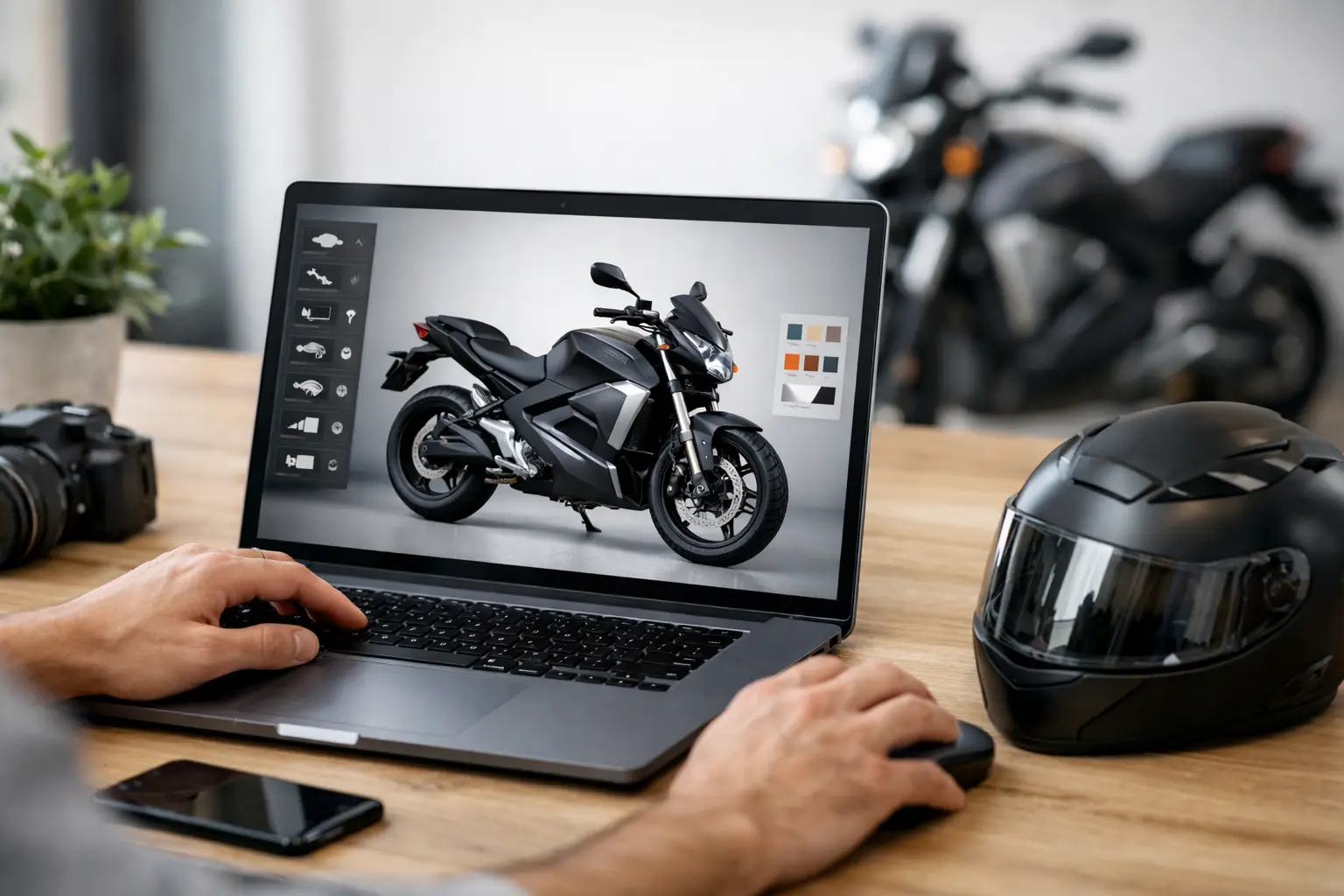
The best motorcycle is rarely the one with the longest spec sheet. It is the one you look back at after parking it. When you learn how to configure an electric motorcycle online, the goal is not to add every available option. It is to shape a machine around your route, your riding rhythm, and your sense of style.
A good digital configurator should feel less like filling out a form and more like standing beside the bike in a quiet workshop. You make a few considered choices. Each one changes the character of the finished machine. Classic lines, electric heart, and no wasted noise.
Start With the Ride You Actually Take
Before choosing a color or accessory, picture a normal Tuesday. Are you crossing a dense city from apartment to studio? Riding a few miles to the train? Leaving town on weekends when the streets finally open up? Your real use case should lead every configuration decision.
For most urban riders, immediate torque, confident braking, easy charging, and practical range matter more than headline top speed. Electric motorcycles are at their best when they turn stop-and-go traffic into something calmer and more direct. There is no clutch to manage at red lights, no engine heat pressing upward, and no soundtrack competing with the city.
Range deserves an honest look. Manufacturer estimates are useful, but your result changes with speed, rider weight, temperature, hills, tire pressure, and how aggressively you use that instant electric pull. If your daily round trip is comfortably below the stated urban range, you have room for detours and spontaneity. If your route pushes close to the limit, choose a charging plan before choosing a finish.
Think in Charging Habits, Not Charging Anxiety
The right question is not, “How fast can it charge?” It is, “When will I naturally charge it?” A rider with access to a garage outlet can replenish energy while sleeping. A rider who parks at work can make daytime charging part of the routine. Apartment living requires more thought: confirm outlet access, building rules, cable storage, and whether charging away from the curb is realistic.
Fast charging can be valuable, especially for longer rides, but it is not automatically the deciding feature for a city-focused motorcycle. Home or workplace charging may be more useful than a faster public charging stop you rarely make. Configure around the infrastructure you will use, not the one you hope appears on every block.
Choose Performance That Fits Your License and Streets
Electric performance can feel deceptively quick. Torque arrives the moment you roll on, which makes low- and mid-speed response especially meaningful in traffic. A motorcycle built for the A1 or equivalent category can still feel sharp and alive when its power delivery is well calibrated.
For US riders, check local licensing, registration, insurance, and vehicle classification requirements before finalizing an order. Rules differ by state, and an electric motorcycle is not treated like an e-bike simply because it has a battery. Confirm the model’s top speed, power rating, and street-legal status against the rules where you live.
Then consider the roads you ride. If your commute includes freeway stretches, make sure the motorcycle’s sustained speed and usable range match that reality. If your miles are mostly city avenues and connected suburban roads, a lighter, agile setup with strong urban acceleration can be the more satisfying choice. More power is not always more freedom. Sometimes it is just more cost, more weight, and less relevance to your day.
Configure the Look With a Clear Point of View
An electric motorcycle does not need to look like a gadget to be advanced. The strongest designs let the technology support the silhouette rather than dominate it. Tank-like forms, clean fenders, round lighting, and restrained finishes can carry decades of motorcycle culture without pretending the machine is powered by gasoline.
When selecting color, resist the urge to treat it as a safe afterthought. The finish changes how the bike sits in the street and how it wears over time. A dark, muted color can make the form feel compact and purposeful. A lighter or brighter finish can put the craftsmanship on display and make the motorcycle part of your visual identity.
Consider your surroundings too. A bike parked outside a brick warehouse, a glass office, or a coastal café tells a different story. The right configuration should feel considered in all three places. RGNT approaches this balance as Swedish craftsmanship rather than decoration: every visible detail should earn its place.
Accessories Should Solve a Real Problem
Accessories are where a clean build can either become more useful or lose its line. Start with what you carry and where you park. A rear rack or luggage solution makes sense if you commute with a laptop, gym clothes, or groceries. Security additions deserve priority if the bike will spend time on the street. Weather protection is worth considering if you ride through colder or wetter months.
Do not add equipment simply because the configurator offers it. Extra pieces can change the visual balance, add weight, and raise the final price. The best accessory setup looks inevitable, as if it belonged on the bike from the first sketch.
Get the Fit Right Before You Commit
Online configuration cannot replace your body. Seat height, reach to the bars, foot position, and overall weight affect confidence from the first stoplight onward. Study the dimensions carefully, but do not rely on numbers alone if you can avoid it.
If there is an opportunity to sit on the model at a dealer, showroom, or riding event, take it. Wear the shoes or boots you would actually ride in. Put both feet down. Reach for the controls. Imagine backing it out of a tight parking spot on a wet morning. A motorcycle can be technically manageable and still not feel natural to you.
Rider height is only one part of fit. Inseam, torso length, arm reach, mobility, and experience all matter. A lower seat may build confidence for a newer rider, while a more open position can be more comfortable for longer daily distances. If you are between sizes in your riding gear or unsure about ergonomic options, ask before the order is placed rather than treating comfort as an upgrade for later.
Understand the Final Price, Not Just the Starting Price
A configuration is only complete when the ownership picture is clear. The purchase price is one part of it. Add sales tax, registration, insurance, delivery, approved charging equipment, riding gear, and any accessory installation. Financing can make a premium electric motorcycle more accessible, but compare the monthly payment with the term length and total amount paid.
Electric ownership can shift costs in your favor. Charging is generally less expensive than fueling a comparable gas motorcycle, and electric drivetrains have fewer routine service items. But tires, brake pads, insurance, storage, and repairs still exist. Premium design should be bought with clear eyes, not wishful math.
Check the warranty terms and understand what support looks like in your area. Ask how service is handled, what routine maintenance is expected, and where qualified work can be performed. A refined purchase experience matters, but dependable support after delivery matters more.
How to Configure an Electric Motorcycle Online With Confidence
Once your choices are in place, pause before the final click. Review the configuration as one complete object rather than a set of boxes. Does the range suit your week? Does the charging plan work where you live? Does the performance match your license and roads? Would you still choose that color after six months, not just six minutes?
Save or print the final specification and compare it against the standard model. This makes it easier to spot an accessory you do not need or a practical detail you missed. Confirm the estimated delivery timeline, deposit terms, cancellation policy, and exactly what is included at handover. A helmet, registration, or home charging solution should not become an afterthought during delivery week.
The point of configuring online is not to make a motorcycle feel virtual. It is to make the eventual first ride feel familiar. Build with restraint, choose with purpose, and let the silent ride do the talking.