
Your cart is currently empty!
Electric Motorcycle Registration for US Riders
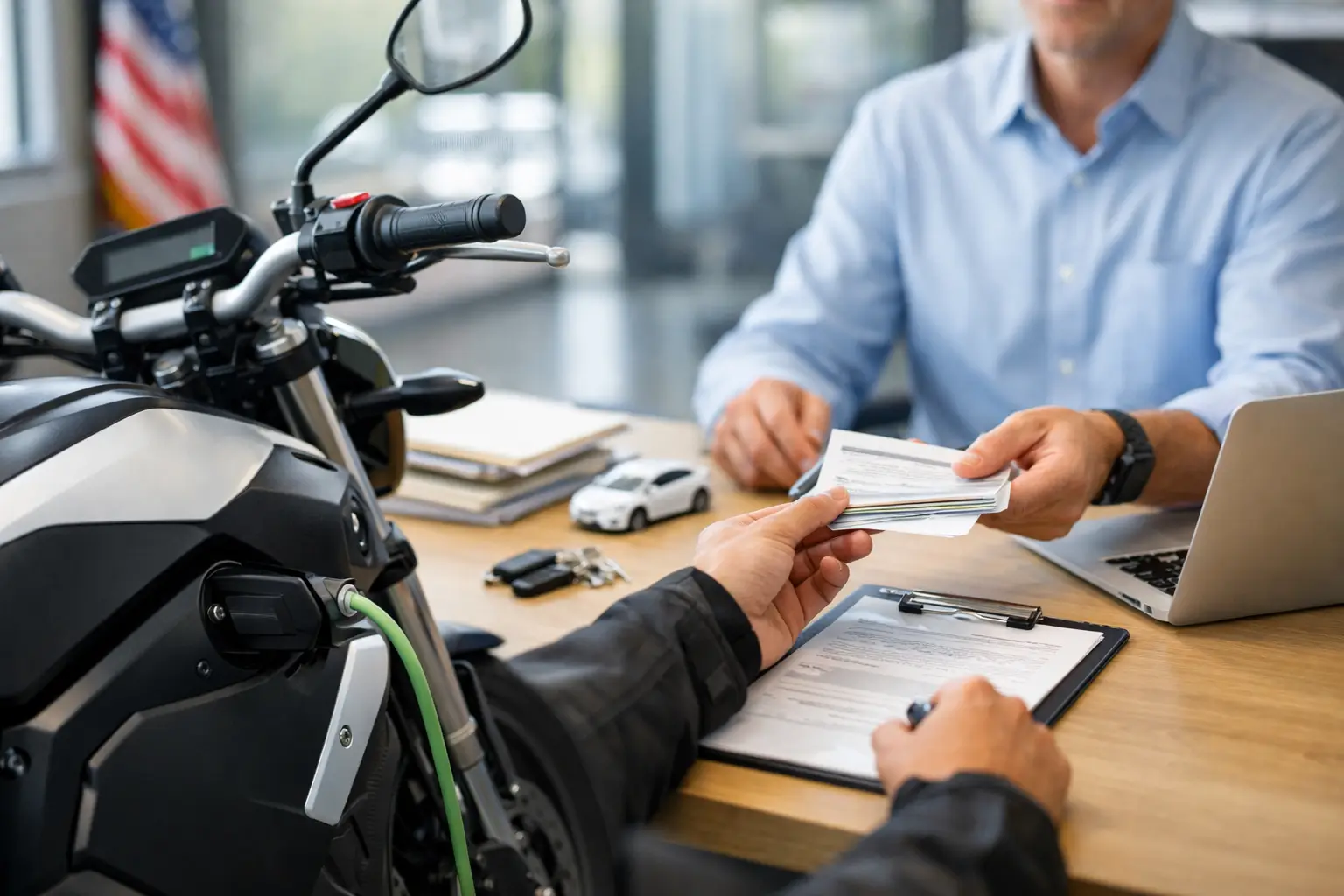
A silent ride should not begin with a surprise at the DMV. Before the first twist of electric torque, electric motorcycle registration deserves the same attention as range, charging time, and design. The process is usually straightforward, but the details depend on where you live, how the bike is classified, and whether you arrive with the right paperwork in hand.
For riders who want classic lines with an electric heart, registration is not red tape for its own sake. It is what turns a beautifully built machine into a legal part of city life – plated, insured, and ready for the commute, the long way home, and every quiet run through downtown after dark.
How electric motorcycle registration works
In most US states, a road-going electric motorcycle is registered much like a gas-powered motorcycle. It receives a title, a motorcycle license plate, and registration documents. You generally pay applicable sales tax, title fees, and registration fees, then renew the registration on the state schedule.
The crucial phrase is road-going electric motorcycle. States draw a bright line between motorcycles, mopeds, scooters, and low-speed e-bikes. A vehicle with motorcycle-level performance, a vehicle identification number, and the capability to keep pace with urban traffic will typically be treated as a motorcycle, regardless of the absence of an engine, fuel tank, or exhaust.
That distinction changes everything. A bicycle-style electric bike may have different access rules and may not require a plate. An electric motorcycle normally does. Do not assume that pedals, a modest silhouette, or quiet operation place a vehicle in the e-bike category. Classification rests on your state’s definitions, the vehicle’s specifications, and its federal compliance documentation.
Start with the vehicle documents
A new electric motorcycle should come with the documents needed to establish ownership and make it eligible for title and registration. The most significant is usually the Manufacturer’s Certificate of Origin, sometimes called an MCO or MSO. This document identifies the motorcycle by its VIN and confirms that it left the manufacturer as a new vehicle.
You will also typically need a signed bill of sale or purchase agreement showing the sale price, buyer information, and VIN. If you finance the motorcycle, the lender may be recorded as the lienholder. Some states retain the title electronically or send it to the lienholder until the loan is paid.
A dealer often handles much of this work, particularly when selling within the same state. Direct purchases and out-of-state deliveries can require more rider involvement. That is not a problem, but it means you should ask exactly which documents will arrive with the motorcycle and which steps remain yours.
Keep every original document clean, secure, and consistent. A single incorrect digit in a VIN can delay a title application. If a state requires a physical VIN inspection, book it before assuming your registration can be completed in one visit.
Bring insurance and identification
Most states require motorcycle liability insurance before issuing a plate. Requirements vary, but a policy must generally identify the motorcycle by VIN and meet the state’s minimum coverage limits. Comprehensive and collision coverage are often optional under state law, though a lender may require them on a financed bike.
This is also the moment to think beyond the minimum. Electric motorcycles have different components from internal-combustion bikes, including battery systems and specialized electronics. The right policy should reflect the actual replacement value of the motorcycle and the way you ride it. A low premium means little if the coverage does not match the machine.
Bring your driver’s license, proof of address where required, insurance card or policy proof, and payment method for taxes and fees. Requirements can be surprisingly specific. Some DMVs accept digital insurance proof; others may ask for a printed form or electronically verify coverage during the transaction.
The license question is separate
Registering a motorcycle and being licensed to ride it are related, but they are not the same task. In most states, operating an electric motorcycle on public roads requires a motorcycle endorsement or motorcycle license. Silent power is still motorcycle power.
The path commonly involves a written knowledge test, a skills test, or completion of an approved rider training course. New riders often benefit from the course route, not merely because it can simplify the endorsement process, but because immediate electric torque asks for disciplined throttle control. There is no clutch to manage, but there is also no delay between intention and acceleration.
Age restrictions, learner permits, helmet rules, and passenger rules vary state by state. Check the requirements where the motorcycle will be registered and ridden, especially if you bought it in another state or recently moved. The state DMV or motor vehicle agency is the final authority, not a forum post or a seller’s assumption.
What changes from state to state
There is no single national electric motorcycle registration rule. Federal standards shape how vehicles are manufactured and labeled, while states control titles, plates, operating privileges, inspections, and many equipment rules.
Some states may require an initial VIN verification for an out-of-state motorcycle. Others require a safety inspection, emissions inspection, or both. Because electric motorcycles have no tailpipe emissions, an emissions test may be irrelevant or exempted, but do not confuse that with an automatic exemption from all inspections. Lighting, tires, brakes, mirrors, horn, and roadworthiness can still matter.
Registration costs also vary. Certain states charge standard motorcycle fees. Others calculate fees based on vehicle value, weight, or local taxes. In a few places, electric-vehicle fees can apply to help offset transportation funding traditionally supported by fuel taxes. The amount may be small compared with the purchase price, but it belongs in the ownership calculation.
If you are registering after an out-of-state purchase, be prepared to show that sales tax was paid. Your home state may collect the difference if the tax paid elsewhere was lower than its own rate. This is normal interstate vehicle administration, not a penalty for choosing an electric machine.
A clean registration checklist
Before delivery day, confirm four things: the motorcycle’s VIN and title documents, your insurance requirements, your motorcycle endorsement status, and your state’s local DMV process. Then verify whether your county requires inspections, VIN verification, appointments, or additional taxes.
At the DMV, bring the MCO or existing title, bill of sale, valid identification, proof of insurance, lienholder details if applicable, and any state-specific application forms. If the bike is used, confirm that the title has been correctly assigned by the previous owner and that no unresolved lien remains.
The most common delays are not exotic electric-vehicle issues. They are missing signatures, incorrect VINs, insurance that has not yet been activated, and riders arriving without the document that proves tax payment. A 10-minute check before your appointment can prevent a second trip across town.
Registration is part of the ownership experience
A premium electric motorcycle is designed to make the everyday ride feel deliberate. That feeling starts before the first stoplight. The plate is not an afterthought bolted beneath a tail light. It is the final piece that gives a machine its place on public roads.
RGNT motorcycles are built for riders who want to move differently – with hand-crafted presence, immediate performance, and less noise competing for attention. Still, individual style works best when it is backed by the practical details: the correct license, active insurance, a valid plate, and documents filed where they belong.
Once the paperwork is handled, the city changes character. The route home becomes quieter, sharper, and entirely yours.