
Your cart is currently empty!
Urban Commuter Motorcycle Review for City Riders
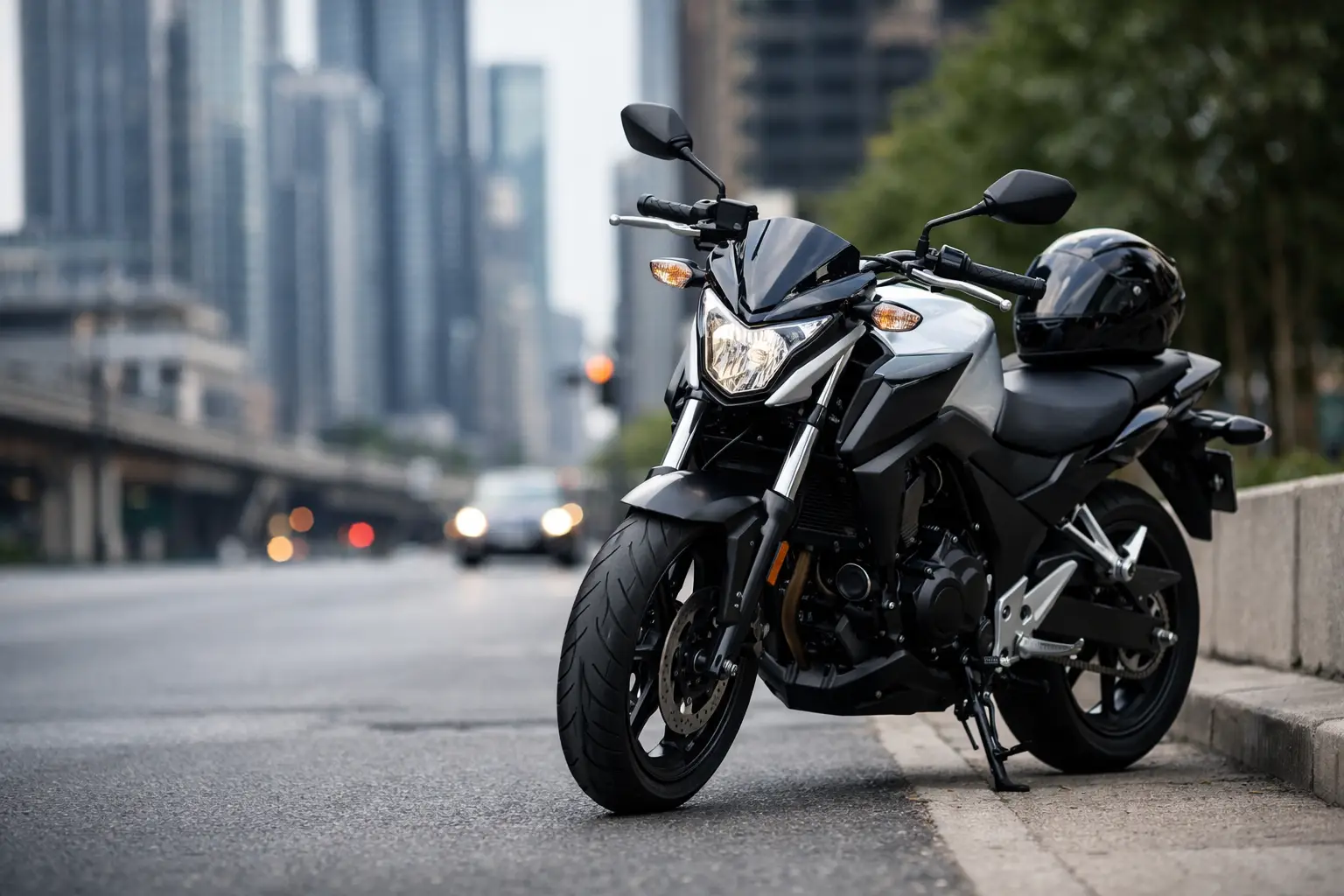
The city does not reward excess. It rewards a motorcycle that leaves the line cleanly, slips into the gap without drama, and turns a daily ride into the best part of the day. This urban commuter motorcycle review looks at what actually separates a compelling city bike from one that merely looks good parked outside a coffee shop.
For urban riders, the question is rarely about outright top speed. It is about response, confidence, range that fits real routines, and a design worth arriving on. The best commuter motorcycle is not a compromise between style and function. It is a machine that makes the two inseparable.
What a City Motorcycle Must Do Well
A commuter motorcycle lives in a tighter, messier environment than a weekend canyon bike. Traffic lights come fast. Potholes appear late. Parking is scarce. A good urban machine needs to feel composed at low speeds, quick when a space opens, and light enough to place precisely between cars and curbs.
That makes immediate power delivery more valuable than a headline top-speed figure. Electric torque is especially well suited to this rhythm. There is no clutch work at every stoplight, no waiting for revs to build, and no unnecessary noise announcing your arrival. Twist the throttle and move. In dense traffic, that directness can make a ride feel calmer as well as faster.
Weight still matters, even with an electric drivetrain. A motorcycle can have impressive acceleration and still become tiring if it feels awkward while backing out of a parking spot or filtering through a narrow lane. Look for balanced mass, a manageable seat height, and steering that feels natural at walking pace. These are the details that determine whether you ride every day or leave the bike at home.
Performance That Makes Sense in Traffic
City performance is about usable speed. Most commutes ask for repeated acceleration from 0 to 35 mph, confident merging, and enough reserve to stay ahead of the flow when necessary. A smooth, predictable throttle matters more here than aggressive calibration intended for racetrack theatrics.
Electric motorcycles have a distinct advantage: their strongest response is available from the moment you move. That changes the character of a commute. Pulling away from an intersection becomes clean and decisive, while short gaps in traffic require less planning. The absence of shifting also lets the rider keep more attention on pedestrians, delivery vans, cyclists, and the unpredictable choreography of city streets.
There is a trade-off. Immediate torque needs thoughtful control. A bike that reacts too sharply can feel nervous on wet pavement or broken asphalt. The best systems deliver urgency without becoming abrupt, giving the rider a direct connection to the road rather than a digital sensation detached from it.
Range Should Fit Your Life, Not a Laboratory
Range claims only become meaningful when measured against your own routine. A 12-mile commute each way, office charging, weekend errands, and the occasional longer ride create a very different requirement than a 40-mile daily run with no place to plug in.
Urban riding can be kind to electric range because average speeds are lower and regenerative braking may recover some energy. It can also be demanding because frequent hard acceleration, cold weather, and high-speed stretches consume more power. Treat a manufacturer’s stated range as a starting point, then leave a sensible buffer for detours, changing temperatures, and the days when you do not want to think about charging.
Charging habits matter as much as charging time. For many city riders, the ideal setup is simple: plug in at home overnight and begin each morning with a full battery. If that is not possible, secure workplace charging or public infrastructure can make ownership practical. The right motorcycle fits your charging reality before it fits your aesthetic mood board.
The Design Test Happens Every Time You Park
A city motorcycle is transportation, but it is also visible. It sits outside your building, follows you to dinner, and becomes part of how you move through the world. That does not mean design should be treated as a superficial extra. A motorcycle with a lasting silhouette invites use. It holds its presence long after the first rush of new ownership fades.
Modern electric bikes often chase a futuristic visual language that can feel dated before the first service interval. Classic proportions offer a different kind of confidence: a real tank form, considered metalwork, a strong stance, and details that look intentional rather than ornamental. Classic lines, electric heart. The combination works because it respects what made motorcycles desirable in the first place while removing much of the noise, vibration, and routine maintenance associated with combustion.
Craftsmanship is part of this equation. Consistent panel fit, tactile controls, quality paint, and purposeful finishes are not luxuries when the motorcycle is a daily object. They are reminders that the machine was made to be lived with. A hand-built approach, such as the one behind RGNT Motorcycles, brings particular appeal for riders who would rather own something distinctive than disappear into a row of interchangeable commuter vehicles.
Comfort Is a Performance Feature
Urban rides may be short, but they are rarely smooth. Expansion joints, patched pavement, streetcar tracks, and speed humps all test suspension, seating, and chassis balance. A firm motorcycle can feel exciting for ten minutes and exhausting by Friday. A soft one may float over imperfections but lose precision when traffic demands a quick line change.
The answer is controlled suspension rather than softness for its own sake. A capable urban bike should settle quickly after a bump, stay planted under braking, and communicate what the front tire is doing. Good ergonomics support this control. An upright or slightly forward riding position usually offers the best visibility and leverage in traffic, while a seat that allows easy stops makes rush-hour riding less stressful.
Wind protection depends on the route. For an inner-city commute at moderate speeds, a clean, unfaired profile may be all you need. Riders with regular highway sections may prefer a small screen or a model with more wind management. Neither choice is universally better. The right answer is the one that matches the miles you actually ride.
Ownership Should Feel Lighter Than the Commute
Electric ownership has a practical appeal beyond the ride itself. There is no oil change schedule, no clutch adjustment, and fewer moving parts competing for attention. Regenerative braking can also reduce brake wear in stop-and-go use. These benefits do not eliminate maintenance, of course. Tires, brake components, suspension checks, software updates, and battery care still matter.
Insurance, registration, local incentives, parking rules, and licensing requirements vary by city and state. Riders considering an A1-class electric motorcycle should also confirm how its power and classification translate to local regulations. Do that before making a decision, not after the bike is in the garage.
Security deserves equal attention. City parking exposes any attractive motorcycle to risk. A quality lock, a covered or monitored parking space, and insurance suited to the bike’s value are part of the ownership plan. Premium design earns attention. Be prepared to protect it.
What to Look for Before You Commit
The strongest urban commuter motorcycles make their case in the ordinary moments: the cold early departure, the crowded intersection, the rough alley behind the office, the quick stop on the way home. Test ride with those moments in mind. Pay attention to throttle response at low speed, how easily you can maneuver the bike by hand, how the brakes feel after repeated stops, and whether the riding position still feels right after 30 minutes.
Ask yourself whether the claimed range leaves room for your real life. Consider where it will charge, where it will sleep, and whether its styling will still feel like yours a year from now. The silent minority does not need to be loud to make an entrance. Choose the motorcycle that makes every city block feel less like a chore and more like your own line through the noise.