
Your cart is currently empty!
Top Motorcycles With Low Running Costs for City Life
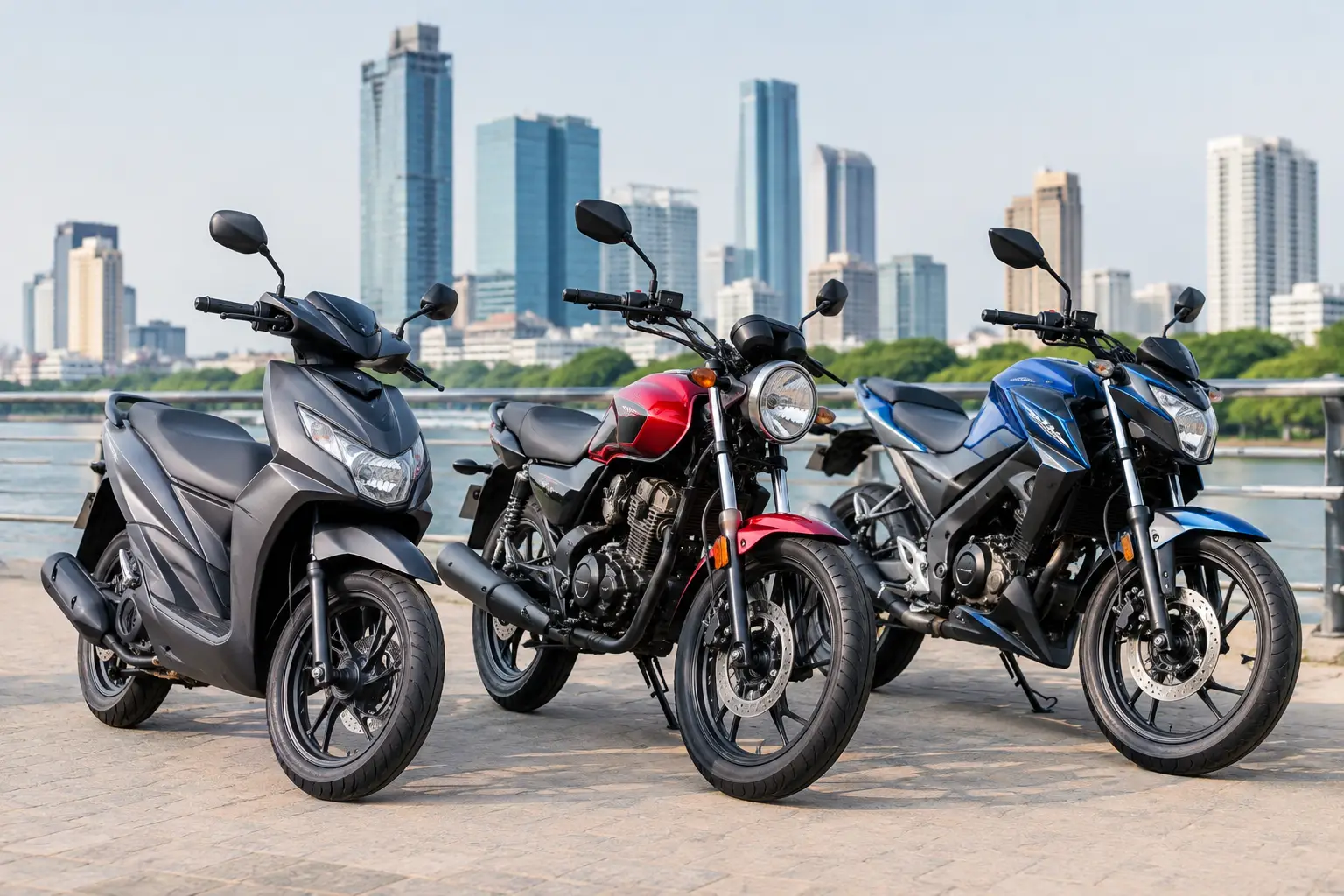
A cheap motorcycle can become an expensive habit fast. Tires, chain adjustments, valve services, fuel stops, insurance premiums, and surprise repairs all arrive long after the purchase payment. The top motorcycles with low running costs are not simply the least expensive bikes on the showroom floor. They are the ones that make sense every weekday, from the first silent morning departure to the last ride home through traffic.
For city riders, the equation is refreshingly clear: manageable power, proven engineering, readily available parts, and a machine you actually want to ride. Fuel economy matters. So does the number of components that require regular attention. And for an increasing number of riders, electric power changes the whole ownership calculation.
What Actually Keeps Motorcycle Costs Low?
Purchase price gets the headlines. Cost per mile earns the respect. A motorcycle with modest displacement or an efficient electric drivetrain generally uses less energy, puts less strain on consumables, and can be easier to insure than a high-output sport bike.
Maintenance is the line item many first-time buyers underestimate. Internal-combustion motorcycles need oil and filter changes, spark plugs, air filters, coolant on liquid-cooled models, and periodic valve inspections. They also need a chain cleaned, lubricated, and eventually replaced. None of that is a reason to avoid gasoline power. It is simply part of the deal.
Electric motorcycles remove several of those routine jobs. No oil changes. No clutch wear. No exhaust system. No fuel system. Brake pads can also last longer because regenerative braking handles part of the slowing. The trade-off is a higher upfront price on many electric models, plus the need to choose range and charging access with real honesty.
Insurance is personal, but engine size, replacement value, location, theft risk, and riding history all play a role. A 300cc standard or a lower-powered electric bike is often a calmer place to start than an aggressive liter-class machine wrapped in expensive bodywork.
Top Motorcycles With Low Running Costs
There is no universal winner. A rider covering long highway distances has different needs from someone traveling seven miles across town. Still, these motorcycles offer compelling ownership economics without feeling like punishment.
Honda Rebel 300: The Easygoing All-Rounder
The Honda Rebel 300 has earned its reputation because it makes motorcycling feel uncomplicated. Its single-cylinder engine is efficient, proven, and inexpensive to live with, while the low seat and relaxed ergonomics work for a wide range of riders.
It is not built to chase superbikes, which is part of the point. The Rebel has enough character for a weekend ride and enough restraint to keep fuel use, tire costs, and insurance from becoming dramatic. Its large dealer network and broad parts availability strengthen the case for riders who want low-fuss ownership over mechanical theater.
The compromise is highway pace. It can manage faster roads, but riders who spend every day at high speeds may prefer more displacement and wind protection.
Honda CB300R: Lightweight, Clean, and Capable
For riders who want a more upright, modern-classic stance, the Honda CB300R is a smart low-cost choice. It is light, agile, and powered by a compact single-cylinder engine that avoids the thirst and complexity of larger multi-cylinder motorcycles.
Less weight matters beyond the fuel pump. Lightweight bikes are easier on tires and brakes, easier to maneuver in tight parking situations, and less intimidating when a city street slopes the wrong way. The CB300R also has the stripped-back simplicity that makes cleaning, checking, and living with a motorcycle feel less ceremonial.
Its limitation is the same one shared by many lightweight standards: limited weather protection. Add frequent interstate miles and the bike may feel smaller than its sharp styling suggests.
Yamaha MT-03: A Lively Everyday Machine
The Yamaha MT-03 brings a little more edge to practical ownership. Its parallel-twin engine feels more eager than a typical single, yet it remains approachable for newer riders and sensible for commuters. It is a good reminder that low running costs do not require a flat, joyless ride.
Yamaha’s widespread support and the MT-03’s mainstream mechanical layout help keep ownership predictable. It is also a practical fit for riders who want city agility but occasionally carry speed on an open road. The engine’s extra smoothness can make longer rides more relaxed than they are on a single-cylinder bike.
Expect slightly more fuel use and potentially higher consumable costs than on a 300cc single. In return, you get a more versatile performance envelope.
Kawasaki Ninja 500: Efficient Performance, With Conditions
The Ninja 500 proves that a sportier silhouette does not automatically mean ruinous costs. Its middleweight parallel-twin offers usable torque, reasonable efficiency, and enough power to avoid feeling outgrown after one season. For a rider who wants fairing protection and a more focused look, it is a sensible middle ground.
But this is where the details matter. Sport-styled motorcycles can attract higher insurance quotes, particularly for younger riders. Fairings can also make minor drops more expensive than they are on a naked bike. Get an insurance estimate before falling for the paint and profile.
Honda Navi: The City-First Budget Choice
The Honda Navi occupies its own lane. It is compact, automatic, playful, and remarkably approachable for short urban trips. Its small engine and simple mechanical package keep fuel and service requirements light, while its scooter-like twist-and-go operation removes the learning curve of a manual clutch.
It is not the answer for freeway commuting, long-distance travel, or riders who need full-size motorcycle proportions. But for neighborhood riding, campus travel, and dense city errands, the Navi keeps the barrier to ownership impressively low. It makes sense when the mission is movement, not mileage records.
The Electric Case: Fewer Service Stops, More Intention
Electric motorcycles make their strongest case where gasoline bikes often work hardest: stop-and-go city riding. Instant torque makes traffic gaps easy to manage, regenerative braking suits repeated slowing, and home charging can replace the weekly fuel-station routine.
The savings are not imaginary, but neither are they automatic. Electricity rates, local registration fees, battery warranty terms, and charging access all deserve a place in your calculation. Apartment dwellers without dependable charging may find that a highly efficient gas bike is the better real-world value.
For riders with a home outlet or workplace charging, an electric motorcycle can offer unusually clean ownership. There is less routine service, no gas station smell on your jacket, and no engine noise competing with the city around you. Models such as the RGNT Street Classic add a design-led alternative to the appliance-like EV stereotype: classic lines, electric heart, and the kind of presence that does not need an exhaust note to be noticed.
Electric bikes also bring an important trade-off. Battery capacity sets the day’s radius, and cold weather, higher speeds, passenger loads, and steep hills can reduce practical range. Buy for your normal week, not the occasional ambitious escape.
Choose the Bike That Fits Your Actual Miles
Before comparing monthly payments, picture a typical Tuesday. How far do you ride? Can you charge at home? Do you need freeway speed? Will the motorcycle live on the street? Those questions reveal more about running costs than a spec-sheet comparison alone.
A small gasoline motorcycle is often the best value for riders who need easy refueling, occasional longer trips, and a low purchase price. An electric motorcycle can be the stronger financial and lifestyle choice for urban riders with reliable charging and predictable daily mileage. In both cases, avoid buying too much engine, too much weight, or too much image for the job at hand.
Budget for quality safety gear, theft protection, tires, and scheduled service from day one. Then choose the motorcycle that makes you look for the longer route home. The lowest-cost bike is rarely the one that sits unused.