
Your cart is currently empty!
Do Electric Motorcycles Need Oil? The Real Answer
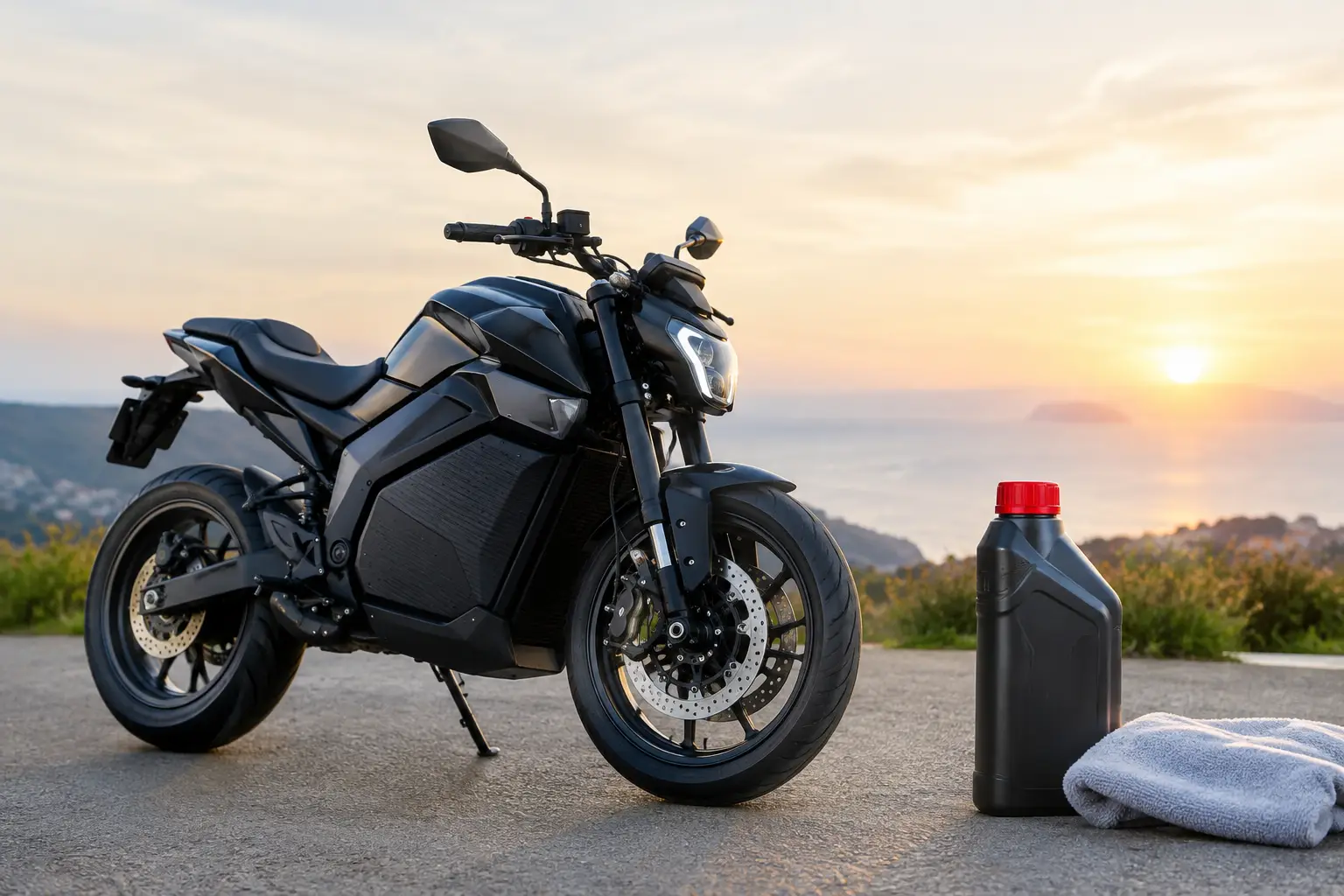
A gas motorcycle’s oil change is a familiar ritual: warm engine, drain pan, fresh filter, clean oil. An electric motorcycle changes that picture completely. So, do electric motorcycles need oil? Not engine oil, because there is no internal-combustion engine to lubricate. But that does not mean an electric bike is maintenance-free, or that every fluid has disappeared.
The better answer is this: electric motorcycles eliminate the messiest, most frequent oil service while retaining a small number of components that still need attention. That is part of the appeal. More time riding through the city in near silence, less time dealing with hot engine oil and scheduled filter changes.
Do Electric Motorcycles Need Oil for Their Motor?
No. An electric motorcycle motor does not need engine oil in the way a gasoline engine does.
A conventional motorcycle engine has pistons, valves, cams, crankshafts, clutch plates, and gears moving at high speed inside a hot metal case. Engine oil cools, cleans, and lubricates those parts. It is essential, and it eventually breaks down. That is why gas bikes need regular oil and filter changes.
An electric motor works differently. It uses electromagnetic force to turn the motor shaft. There are far fewer moving parts, and the motor’s critical bearings are generally sealed and designed for a long service life. No combustion means no fuel dilution, no soot buildup, no oil filter, and no routine engine-oil change on the maintenance calendar.
That difference is more than a technical footnote. It changes ownership. A quiet electric motorcycle removes one of the most recurring jobs associated with traditional motorcycling without sacrificing the direct connection between rider, throttle, and road.
Where Lubricants Still Matter
Electric power does not mean friction disappears. It simply moves the maintenance conversation away from the engine.
Many electric motorcycles use a reduction drive to translate the motor’s high rotational speed into usable wheel speed. Depending on the engineering, that system may contain gear oil or use sealed, lifetime-lubricated components. Some designs also use a chain or belt final drive. A chain needs cleaning, adjustment, and lubrication; a belt usually requires less routine attention but still needs periodic inspection for wear and correct tension.
The exact answer depends on the motorcycle. Do not assume that an electric bike needs gear oil because a gas bike does, and do not assume it never needs lubricant because it runs on a battery. The owner’s manual is the final word on service intervals, lubricant type, and inspection points.
There are other fluids worth remembering, too. Hydraulic brakes use brake fluid, and conventional telescopic forks contain fork oil. If an electric motorcycle uses liquid cooling for its motor, controller, or battery system, it may also have coolant that requires inspection or replacement at specified intervals. These are not engine-oil services, but they are still part of caring for a performance machine.
The Maintenance You Trade Oil Changes For
The low-maintenance promise of electric riding is real, but it should never be confused with neglect. Electric motorcycles still ask for a rider who pays attention to the fundamentals.
Tires matter even more than many new riders expect. Instant electric torque can be addictive, and tire pressure has a direct effect on grip, range, handling, and wear. Check pressures regularly, especially when temperatures shift. Inspect tread and sidewalls before longer rides, and replace tires based on condition rather than waiting for a vague feeling that they are “probably fine.”
Brakes deserve the same respect. Regenerative braking can reduce how often the friction brakes are used, particularly in stop-and-go urban riding. Yet pads, rotors, calipers, and brake fluid still need inspection. In fact, lightly used brakes can sometimes develop surface corrosion or sticky components if they are ignored. Regeneration is a useful partner, not a substitute for a properly maintained braking system.
Suspension is another area where premium feel is preserved through care. Fork seals, fork oil, rear shock hardware, steering bearings, and suspension fasteners all benefit from scheduled checks. The bike may be silent, but chassis feedback remains loud and clear. A motorcycle that feels planted, composed, and precise is one that has been looked after.
Finally, there is the electrical side. Keep charging connectors clean and dry, inspect visible cables for damage, and follow the manufacturer’s charging and storage guidance. The battery pack and power electronics are sophisticated systems, but the rider’s role is mostly straightforward: charge intelligently, avoid obvious damage, and use qualified service support when a warning light or unusual behavior appears.
Chain Drive Versus Belt Drive
If your electric motorcycle has a chain, it is likely the closest thing to the old-school lubrication ritual you will keep. Road grit, rain, and city dust wear away at chain lubricant. Clean and lube it at the interval specified for your riding conditions, then check slack and alignment. A neglected chain can become noisy, inefficient, and expensive surprisingly quickly.
A belt drive makes a strong case for riders who want a cleaner, quieter routine. There is no chain lube flinging onto the rear wheel, and regular cleaning is simpler. The trade-off is that belts need to be kept free of stones and debris, and they should be inspected for cracking, damage, and proper tension. Neither system is universally better. The right choice comes down to design priorities, riding conditions, and the character of the motorcycle.
Why No Engine Oil Changes Matter
Skipping engine oil is not just about saving money on a bottle of lubricant. It removes a category of ownership friction.
There is no oil level to check before a ride. No filter to source. No used oil to dispose of responsibly. No concern about an engine sitting through a cold season with contaminated oil inside it. For urban riders with limited garage space, tight schedules, and a preference for riding over wrenching, that simplicity has real value.
It also helps electric motorcycles make sense as daily machines. The traditional maintenance schedule of a combustion bike can be rewarding for riders who love mechanical rituals. But for others, it is a barrier. Electric power keeps the physicality and freedom of motorcycling while making routine ownership cleaner and more direct.
That said, fewer service items do not automatically mean lower costs in every situation. Tires, brake parts, suspension service, software diagnostics, and specialized electrical repairs can still carry meaningful costs. High-voltage systems should never be opened or repaired casually at home. The smart approach is simple: enjoy the reduced routine maintenance, then use trained technicians for the work that requires specialized tools or knowledge.
A Simple Electric Motorcycle Care Rhythm
Before rides, glance over the tires, brakes, lights, and any visible damage. Every few weeks, check tire pressures and inspect the final drive. At the manufacturer’s scheduled service intervals, have the brake system, suspension, chassis hardware, and electrical systems evaluated.
Riders who commute through rain, ride near the coast, or encounter salted winter roads should inspect more frequently. Water and road salt do not care whether a motorcycle is powered by gasoline or electrons. Clean the bike carefully, dry exposed metal, and give extra attention to the chain if your model has one.
For long-term storage, follow the battery manufacturer’s recommended state of charge rather than leaving the bike fully charged or fully depleted for months. Store it in a dry place, protect it from extreme temperatures where possible, and keep tires off cold concrete or move the motorcycle periodically. Small habits protect the parts that still work hard, even when the motor itself asks for very little.
RGNT motorcycles represent the appeal clearly: classic lines, an electric heart, and less mechanical noise between you and the ride. The goal is not to erase motorcycle character. It is to remove the maintenance that does not add to it.
A well-kept electric motorcycle will not ask you for an oil change. It will ask you to stay present: listen for new sounds, feel for changes in handling, keep the tires right, and respect the systems that deliver that silent, immediate pull. That is a fair trade for more miles with your hands on the bars and your attention on the road.